
Property Investment
How to Buy a House Step by Step: Your Complete Guide to Home Ownership

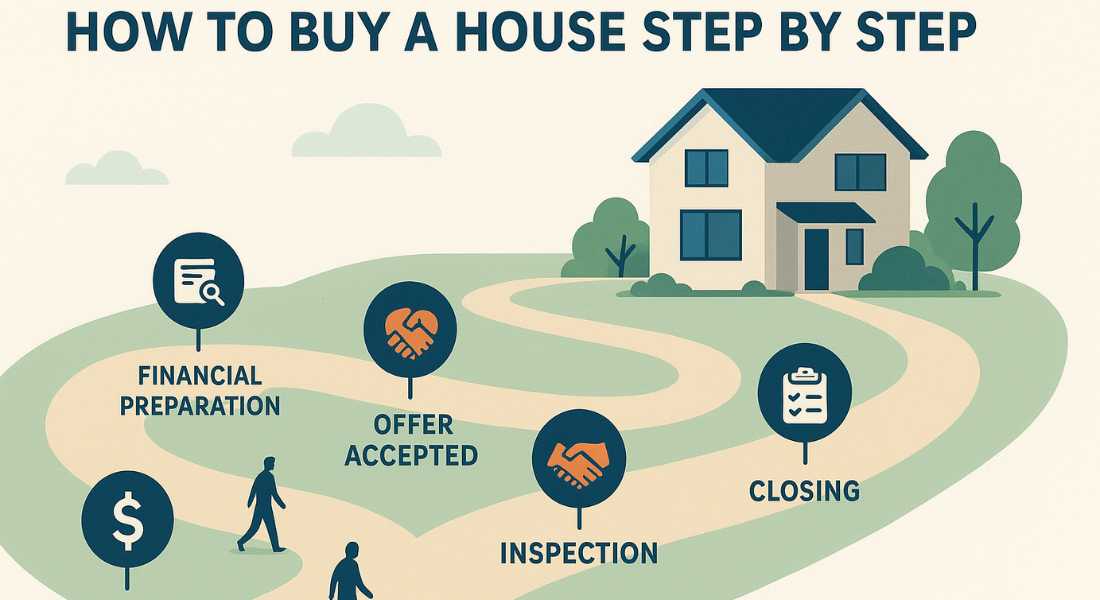
Introduction
How to buy a house step by step is one of the most searched questions by aspiring homeowners who want to navigate the property market with confidence.
Purchasing a home represents one of the biggest financial decisions you will ever make and understanding each stage of the process helps you avoid costly mistakes while securing your dream property.
This comprehensive guide walks you through every phase of the home buying journey. Whether you are a first-time buyer or looking to upgrade you will learn the exact steps needed to move from house hunting to holding your keys.
We cover everything from financial preparation to post-offer procedures so you can approach this milestone with clarity and confidence.
Understanding Your Financial Position Before You Start
Before you begin viewing properties you need a clear picture of your financial health. This foundation determines what you can afford and how lenders will view your application.
Check your credit score first because this number significantly impacts your mortgage options. Scores above 700 typically unlock better interest rates while lower scores may require additional down payment or result in higher monthly costs.
Review your existing debts and monthly obligations. Lenders calculate your debt-to-income ratio to ensure you can manage mortgage payments alongside other financial responsibilities. Reducing outstanding balances before applying for a mortgage strengthens your position.
Start building your savings fund with discipline. Most buyers need money for the down payment plus closing costs and moving expenses. Having reserves also shows lenders you can handle unexpected homeownership costs.
Getting Pre-Approved for a Mortgage
Mortgage pre-approval gives you a realistic budget and shows sellers you are a serious buyer. This step involves submitting financial documents to a lender who then determines how much they will loan you.
Gather required documentation including recent pay stubs, tax returns from the past two years, bank statements and details about your assets and debts. Lenders review this information to assess your borrowing capacity.
The pre-approval letter states the loan amount you qualify for and remains valid for 60 to 90 days. This document becomes essential when making offers because sellers prefer buyers with verified financing over those without proof of funds.
Understanding the process of buying a house with a mortgage begins here. Your lender explains different loan types including conventional loans, FHA loans and VA loans if you qualify. Each option has distinct requirements and benefits that match different financial situations.
Assembling Your Home Buying Team
Successful home purchases involve multiple professionals working together. Building the right team protects your interests throughout the transaction.
A qualified real estate agent brings market knowledge and negotiation skills to your search. Choose someone experienced in your target neighborhoods who understands your needs and timeline. Good agents save you time by filtering properties and arranging viewings efficiently.
Your mortgage lender becomes a key partner beyond pre-approval. They guide you through application updates and coordinate timing for different funding stages. Maintaining open communication prevents delays during closing.
Consider hiring a real estate attorney in states where legal representation is customary. They review contracts, handle title searches and ensure all legal requirements are met before you sign final documents.
A home inspector provides critical insights about property condition. This independent professional identifies potential problems that affect value and safety. Their report influences your negotiation position and final decision.
Defining Your Home Search Criteria
Clarity about your needs versus wants streamlines the search process and prevents wasted time on unsuitable properties.
Location ranks as the most important factor for most buyers. Consider commute times, school districts, neighborhood safety and access to amenities. Future resale value often correlates strongly with location quality.
Determine must-have features like number of bedrooms, bathrooms and essential layout characteristics. Separate these from nice-to-have elements that you can compromise on if necessary.
A detailed buying a house checklist helps during property tours. Include structural elements, system conditions, storage space and outdoor areas. This systematic approach ensures you evaluate each home consistently.
Think about your timeline for moving and whether you need immediate occupancy or can wait for construction or renovations. This affects whether you pursue move-in ready homes or fixer-uppers.
Starting Your Property Search
With your team assembled and criteria defined you can begin actively searching for properties. This phase requires patience and strategic thinking.
Online listings provide the starting point for most buyers today. Browse multiple platforms to see what falls within your budget and matches your requirements. Save favorites and note how long properties stay on the market in your target areas.
Attend open houses to get a feel for different neighborhoods and property styles. These events let you view homes without appointment pressure while observing how other buyers react to features and pricing.
Work closely with your agent who can access properties before they hit public listings. This insider advantage sometimes lets you view and offer on homes ahead of broader competition.
Drive through neighborhoods at different times to understand traffic patterns, noise levels and community atmosphere. The same street can feel completely different on weekday mornings versus weekend afternoons.
Evaluating Properties with Your Checklist
What to look for when buying a house checklist should cover both visible features and underlying systems that affect long-term costs and comfort.
Structural Components
Examine the foundation for cracks or settling signs. Check walls and ceilings for water stains that indicate roof or plumbing problems. Look at window and door frames for proper operation and weather sealing.
Walk the entire property perimeter noting grading and drainage. Water should flow away from the foundation to prevent basement flooding and structural damage.
Major Systems
Ask about the age and condition of the heating and cooling systems. These expensive components typically need replacement every 15 to 20 years. Request maintenance records when available.
Inspect visible plumbing for leaks or corrosion. Old galvanized pipes may need updating. Test water pressure at multiple fixtures simultaneously.
Check the electrical panel for capacity and modern circuit breakers rather than outdated fuses. Insufficient electrical service requires costly upgrades especially in older homes.
Interior Spaces
Assess room sizes with furniture placement in mind. Measure spaces if you have specific pieces that must fit. Consider natural light and window placement for daily living comfort.
Open cabinets and closets to check storage capacity and condition. Look for signs of pest activity or moisture problems in hidden areas.
Test all appliances included in the sale to ensure proper function. Replacement costs add up quickly if multiple items need immediate attention.
Making a Competitive Offer
When you find the right property you need to act decisively while protecting your interests. The offer process involves multiple considerations beyond just price.
Your agent researches recent comparable sales to determine fair market value. This data supports your offer amount and helps avoid overpaying in competitive situations.
Include contingencies that protect you if problems arise. Common contingencies cover financing approval, satisfactory home inspection results and clear title verification. These clauses let you withdraw without penalty under specified conditions.
Earnest money deposits demonstrate serious intent to sellers. This good faith payment typically ranges from one to three percent of the purchase price and applies toward your down payment at closing.
Consider offer timing and presentation. In hot markets you might include an escalation clause or waive certain contingencies to stand out. However, balance competitiveness with sensible risk management.
What Happens After Your Offer Is Accepted
The process of buying a house after offer accepted involves several critical steps that must happen before you receive the keys. This period typically spans 30 to 45 days depending on your financing and inspection timelines.
Your lender begins formal underwriting by verifying all financial information and ordering a property appraisal. The appraisal ensures the home value supports the loan amount. If the appraisal comes in low you may need to renegotiate or increase your down payment.
Schedule the home inspection within days of offer acceptance. The inspector examines all accessible areas and systems, producing a detailed report of findings. Review this document carefully with your agent to identify serious issues versus minor maintenance items.
Based on inspection results you can request repairs, ask for credits toward closing costs or renegotiate the price. Sellers may agree to fix major problems or offer compensation rather than make repairs themselves. This negotiation phase requires clear communication and reasonable expectations.
Title company research begins immediately after offer acceptance. They search public records to confirm the seller has legal right to transfer ownership and identify any liens or encumbrances that must be resolved before closing.
Purchase homeowners insurance and provide proof to your lender. Coverage must begin on your closing date. Shop multiple providers to find the best combination of protection and cost.
Complete a final walkthrough within 24 hours of closing. Verify that agreed repairs were completed, the property remains in the same condition and all included items are still present.
Understanding Closing Costs and Final Expenses
Beyond your down payment you need funds for various closing costs that typically total two to five percent of the purchase price.
Lender fees include loan origination charges, application fees and points if you choose to buy down your interest rate. These costs appear on your Loan Estimate document provided within three days of application.
Third-party services generate additional expenses. Title insurance protects against ownership disputes. Escrow fees cover the neutral party handling funds transfer. Recording fees pay for official documentation with local government.
Prepaid items include property taxes and homeowners insurance. Lenders collect several months of these recurring costs upfront to establish escrow accounts that pay bills as they come due.
Your Closing Disclosure arrives at least three business days before your closing date. Review every line item and compare it to your earlier Loan Estimate. Question any significant changes or unexpected charges with your lender immediately.
Special Considerations for First-Time Buyers
Steps to buying a house for the first-time include exploring programs designed to help new buyers overcome common obstacles.
What are the requirements to buy a house for the first-time vary by program but generally include income limits, credit score minimums and completion of homebuyer education courses. These requirements ensure buyers understand their commitments.
First-time buyer programs often feature reduced down payment requirements. Some allow as little as three percent down while others provide grants or forgivable loans that cover part of the down payment.
Federal programs like FHA loans accept lower credit scores and require smaller down payments than conventional mortgages. VA loans serve eligible veterans and active military with zero down payment options.
State and local housing authorities offer additional assistance. Research programs in your area for down payment help, closing cost grants and favorable interest rates.
How to Buy a House with No Money Down

How to buy a house with no money down is possible through specific programs though each has eligibility requirements you must meet.
VA loans remain the most common true zero-down option for qualified veterans, active duty service members and eligible surviving spouses. These government-backed loans require no down payment and no mortgage insurance.
USDA loans serve rural and some suburban areas with zero down payment for qualified buyers. Income limits apply and properties must meet location requirements defined by the USDA.
Some state housing finance agencies offer zero-down programs for first-time buyers meeting income and credit criteria. Availability varies significantly by location.
Seller concessions can cover your closing costs allowing you to use saved funds entirely for other purposes. You negotiate these concessions during the offer process by asking sellers to credit you money at closing.
Understanding the Legal Process
What is the legal process of buying a house involves multiple documents and legal protections that formalize the transaction and protect all parties.
The purchase agreement outlines all terms including price, contingencies, closing date and included items. Both parties sign this legally binding contract that governs the transaction.
Title examination uncovers any legal claims against the property. The title company researches ownership history, outstanding liens, easements and restrictions. They issue title insurance that protects your ownership rights.
Disclosure requirements vary by state but sellers must typically reveal known defects and problems. Review all disclosure documents carefully before finalizing your purchase.
The closing or settlement brings all parties together to sign final documents and transfer ownership. You sign the mortgage note, deed of trust and numerous other forms. The seller signs the deed transferring title to you.
Recording happens after signing when the deed and mortgage documents are filed with the county recorder’s office. This public filing establishes your legal ownership.
Important Property Considerations
Understanding certain property rules and value factors helps you make smarter buying decisions.
What Is the 6 Month Rule for Property
The six month rule for property typically refers to the seasoning period that prevents quick flipping in certain loan programs. FHA and some conventional loans require sellers to own property for at least six months before selling it to prevent predatory flipping schemes.
This rule protects buyers from purchasing properties that were acquired cheaply, given cosmetic updates and quickly resold at inflated prices. Exceptions exist for inherited properties and sales through certain entities.
What Adds $100,000 to Your House
What adds $100,000 to your house value varies by market and property type but major additions deliver the biggest impact. Adding significant square footage through room additions, finished basements or second stories can reach this threshold in many markets.
Kitchen and bathroom renovations using high-end materials and expanding space sometimes approach this value increase particularly in luxury markets. Outdoor improvements like pools, extensive landscaping and outdoor kitchens contribute substantial value in warm climates.
Location improvements matter most. Properties in appreciating neighborhoods naturally gain value as the area develops even without physical changes.
What Is the Most Important Thing When Buying a House
What is the most important thing when buying a house comes down to location above all other factors. You can change almost everything about a property except where it sits.
Location affects daily quality of life through commute times, school access and neighborhood character. It drives long-term value appreciation and determines how easily you can sell when ready to move.
Buy the worst house in the best neighborhood rather than the best house in a declining area. This strategy maximizes your improvement potential and protects your investment.
Managing Your Timeline
Steps to buying a house timeline typically spans two to six months from serious searching to closing day though circumstances vary widely.
Pre-Shopping Phase
Financial preparation can take several months if you need to improve credit scores or build savings. Starting early reduces stress and expands your options.
Getting pre-approved takes a few days to two weeks depending on how quickly you gather documents and your lender’s processing time.
Active Shopping Phase
House hunting duration varies dramatically based on market conditions and how specific your requirements are. Some buyers find their home within weeks while others search for months.
Once you make an offer the seller typically responds within 24 to 48 hours. Negotiations may continue for several days until you reach agreement or move on.
Contract to Closing Phase
The period when offer is accepted on house until closing averages 30 to 45 days. Cash purchases close faster while complex financing or inspection issues extend timelines.
Your lender needs time for underwriting and appraisal. Schedule your home inspection immediately after offer acceptance to avoid delays.
After You Own Your Home
My offer on a house was accepted now what becomes my house needs ongoing maintenance once you close. Ownership brings responsibilities beyond monthly mortgage payments.
Create a home maintenance schedule covering seasonal tasks and system servicing. Regular maintenance prevents small problems from becoming expensive emergencies.
Build an emergency fund specifically for home repairs. Financial experts recommend saving one percent of your home’s value annually for maintenance and unexpected issues.
Review your homeowners insurance annually to ensure adequate coverage as property values change. Consider umbrella liability policies for additional protection.
Keep all documentation related to your purchase, improvements and major repairs. These records prove valuable for future sales, insurance claims and tax purposes.
FAQs
How long does the home buying process take from start to finish?
The complete home buying process typically takes three to six months. This includes one to three months for house hunting and two to three months from offer acceptance to closing. Your timeline depends on market competition, financing complexity and inspection results.
Can I back out after my offer is accepted?
Yes, you can back out after your offer is accepted if you include proper contingencies in your contract. Common contingencies cover financing approval, satisfactory inspections and clear title. Without these protections you risk losing your earnest money deposit.
Do I need a real estate agent to buy a house?
While not legally required, a buyer’s agent provides valuable expertise at no direct cost to you since sellers typically pay both agent commissions. Agents handle negotiations, coordinate inspections and guide you through complex paperwork that protects your interests.
What credit score do I need to buy a house?
Minimum credit scores vary by loan type. Conventional loans typically require 620 or higher. FHA loans accept scores as low as 580 with 3.5 percent down or 500 with 10 percent down. Higher scores unlock better interest rates and more favorable terms.
How much should I save for a down payment?
Down payment requirements range from zero to 20 percent depending on your loan type. Conventional loans with less than 20 percent down require private mortgage insurance. First-time buyer programs often accept three to five percent down. Saving 20 percent eliminates mortgage insurance and may secure better rates.
What happens if the home appraisal comes in low?
When appraisal value falls below the purchase price you have several options. Negotiate a lower price with the seller, increase your down payment to cover the gap, or walk away if your contract includes an appraisal contingency. Sellers sometimes meet you halfway on price reductions.
Should I get a home inspection even for new construction?
Absolutely. New homes can have construction defects or code violations that need correction before you close. Independent inspectors catch problems builders might miss or overlook. This small investment protects you from expensive repairs shortly after moving in.
How much money should I have beyond the down payment?
Plan for closing costs of two to five percent of the purchase price plus moving expenses and immediate home needs. Maintain an emergency fund of three to six months of expenses. Having reserves shows financial stability to lenders and protects you after purchase.
Conclusion
Learning how to buy a house step by step empowers you to navigate this complex process with confidence. From initial financial preparation through closing day each phase builds toward successful homeownership.
Start by getting your finances in order and assembling a qualified team. Take time to understand what you need in a home and evaluate properties thoroughly using a comprehensive checklist. When you find the right property make a strong offer backed by research and protect yourself with appropriate contingencies.
The journey from offer acceptance to closing requires patience and attention to detail. Stay organized, communicate clearly with your team and address issues promptly as they arise.
Homeownership represents a significant achievement that provides stability and builds long-term wealth. Following these proven steps helps you make informed decisions and avoid common pitfalls. With proper preparation and the right guidance you will successfully navigate the path to owning your dream home.


Introduction
Real estate investment management software demo sessions provide investors and property managers with hands-on experience before making critical platform decisions.
In today’s competitive real estate landscape understanding how different software solutions handle portfolio tracking financial reporting and asset management can mean the difference between streamlined operations and costly inefficiencies.
This comprehensive guide walks you through everything you need to know about evaluating demo versions of investment management platforms including key features to test essential questions to ask and how to identify the solution that aligns with your business objectives.
Why Testing Software Through Demos Matters for Real Estate Investors
Making the right technology choice impacts your daily operations for years to come. A thorough real estate investment management software demo reveals whether a platform truly matches your workflow requirements or simply looks good in marketing materials.
Most property investors and managers handle multiple assets across different locations. Without testing the software firsthand you might discover critical limitations only after signing a contract.
Demo sessions let you explore reporting capabilities analyze user interface design and verify integration options with your existing accounting systems.
The financial stakes make careful evaluation essential. Commercial property management involves substantial capital and operational complexity. Testing platforms through demos helps you avoid expensive mistakes and ensures your team can adapt quickly once implementation begins.
Essential Features to Test During Your Demo Session
Portfolio Tracking and Asset Oversight
Real estate portfolio asset management software should provide clear visibility across all your holdings. During the demo navigate through portfolio dashboards and verify how easily you can access property performance metrics.
Check whether the system displays occupancy rates rental income and property valuations in formats that match your reporting needs.
Test how the platform handles different property types. If you manage both residential and commercial assets confirm the software for commercial property management adapts to varying lease structures and tenant requirements.
Financial Management and Reporting Tools
Revenue tracking and expense management form the backbone of successful property operations. Examine how the commercial property accounting software processes rent collections maintenance costs and capital expenditures. Generate sample financial statements during your demo to evaluate report customization options.
Look for automated reconciliation features that reduce manual data entry. The best real estate investment management software demo will showcase integration with banking systems and accounting platforms you already use.
Lease Administration Capabilities
Commercial property management software must handle complex lease agreements efficiently. During the demo create a sample lease with escalation clauses renewal options and tenant improvement allowances.
Verify how the commercial lease management software tracks critical dates sends renewal notifications and calculates rent adjustments.
Test whether the system supports both gross and net lease structures. Property management software for commercial real estate should accommodate various tenant billing scenarios without requiring extensive workarounds.
How to Prepare for a Productive Demo Experience
Define Your Requirements Before Scheduling
Create a detailed list of your must-have features and nice-to-have capabilities. Consider your current pain points such as scattered data across multiple spreadsheets or delayed financial reporting. Share these requirements with the demo provider so they can customize the presentation to address your specific needs.
Identify which team members should participate in the evaluation. Include property managers accountants and executives who will interact with the commercial real estate software daily. Multiple perspectives help ensure comprehensive assessment.
Prepare Real Scenarios to Test
Bring actual data from your portfolio to test during the demo. Ask the provider whether you can upload sample property information to see how the real estate asset management software handles your specific situation.
Testing with real scenarios reveals practical limitations that generic demonstrations might hide.
Consider edge cases your business encounters regularly. If you manage properties with unconventional lease structures or unique reporting requirements verify the platform can accommodate these situations without custom development.
Comparing Different Platform Types and Solutions
Enterprise Solutions vs Small Business Platforms
Large institutional investors typically require robust real estate fund management software with advanced analytics and multi-entity reporting. These enterprise systems offer comprehensive features but come with higher costs and longer implementation timelines.
Smaller operators often benefit from small commercial property management software designed for streamlined workflows and faster deployment. During your real estate investment management software demo free trial evaluate whether the platform scales with your growth plans or creates future limitations.
Specialized vs All-in-One Systems
Some platforms focus exclusively on investment management while others combine property management operational tools and accounting functions.
The real estate asset management solution you choose depends on whether you prefer integrated systems or best-of-breed applications connected through APIs.
Test how different real estate asset management solutions handle data flow between modules. Seamless integration reduces duplicate entry and improves data accuracy across your organization.
Cloud-Based vs On-Premise Deployment
Modern investment management software for real estate typically operates in the cloud offering remote access and automatic updates. During demos evaluate system performance and mobile accessibility especially if your team works across multiple locations.
Consider data security protocols and backup procedures. Ask providers about their infrastructure redundancy and disaster recovery capabilities during your evaluation.
Key Questions to Ask During Your Demo

System Capabilities and Limitations
Inquire about user limits and transaction volumes the platform supports. Some commercial property management software for landlords restricts the number of properties or units you can manage under standard pricing tiers.
Ask about customization options for reports dashboards and workflows. The cre asset management software should adapt to your processes rather than forcing you to change established procedures.
Integration and Data Migration
Verify compatibility with your existing technology stack. Can the retail property management software connect with your accounting system bank feeds and document storage solutions? Request specific details about API availability and data synchronization frequency.
Discuss the data migration process and timeline. Understanding how your historical information transfers into the new real estate portfolio manager software helps you plan implementation accurately.
Support and Training Resources
Evaluate the vendor’s customer support model. Does the package include dedicated account management or rely on ticket-based systems? Ask about response time commitments for technical issues.
Review available training materials and onboarding processes. Comprehensive documentation and video tutorials accelerate user adoption across your team.
Pricing Structure and Contract Terms
Request transparent pricing information including setup fees monthly subscriptions and costs for additional users. Some providers charge based on property count while others use transaction volume or asset value.
Clarify contract length requirements and cancellation policies. Understanding total cost of ownership helps you make informed comparisons across multiple platforms.
Common Mistakes to Avoid During Software Evaluation
Focusing Only on Features Instead of Usability
A platform might offer extensive capabilities but prove too complex for daily use. During your demo pay attention to navigation logic and task completion efficiency. The real estate portfolio management software should simplify workflows not create additional steps.
Watch for cluttered interfaces that overwhelm users with excessive options. Clean design and intuitive layouts improve adoption rates and reduce training time.
Overlooking Scalability Considerations
Your portfolio will likely grow over time. Verify the real estate investment management software accommodates expansion without requiring platform migration. Ask about performance impacts as data volume increases.
Consider whether the system supports multiple entities legal structures and international properties if your growth plans include these elements.
Skipping User Feedback Research
Beyond the polished demo presentation investigate how current customers experience the platform. Request references from companies with similar portfolio sizes and property types. Their insights reveal strengths and weaknesses that demos might not showcase.
Review online forums and user communities for unfiltered opinions about software reliability and vendor responsiveness.
Making Your Final Selection Decision
Creating a Comparison Framework
Develop a scoring system that weights features according to their importance to your operations. Rate each platform across categories like functionality ease of use support quality and value for money.
Document observations from each demo session immediately while details remain fresh. Include screenshots of key screens and note specific questions that arose during testing.
Running a Pilot Program
If possible negotiate a trial period with your top choice before full implementation. A limited pilot with a portion of your portfolio provides real-world validation beyond demo environments.
Assign pilot participants from different roles to gather diverse perspectives on system performance and usability.
Planning Implementation Timeline
Once you select your platform work with the vendor to create a detailed rollout schedule. Factor in data migration training sessions and parallel operations during transition periods.
Identify internal champions who will drive adoption and serve as go-to resources for their colleagues.
Maximizing Value From Your Chosen Platform
Investing in Proper Training
Comprehensive onboarding ensures your team extracts maximum value from your new system. Schedule training sessions that address role-specific needs rather than generic overviews.
Create internal documentation that captures your customized workflows and configuration choices. This resource becomes invaluable for onboarding new employees.
Leveraging Advanced Features Gradually
Most platforms offer capabilities beyond basic property and financial management. As your team masters core functions explore advanced analytics automation options and strategic planning tools.
Regular system reviews help identify underutilized features that could improve efficiency or provide better business insights.
Maintaining Strong Vendor Relationships
Establish regular communication channels with your software provider. Participate in user groups and feedback sessions that influence future product development.
Stay informed about platform updates and new releases. Many improvements result from customer suggestions and industry evolution.
FAQs
What should I look for in a real estate investment management software demo?
Focus on portfolio visibility financial reporting accuracy lease management capabilities and system integration options during your demo. Verify the platform handles your specific property types and business workflows efficiently. Test user interface navigation and confirm the reporting tools match your stakeholder requirements.
How long does a typical demo session last?
Most real estate investment management software demo sessions run between 45 minutes and 90 minutes depending on platform complexity and your specific requirements. Request extended time if you need to test particular scenarios thoroughly. Some vendors offer multiple sessions to cover different feature sets comprehensively.
Can I test the software with my actual property data?
Many providers allow you to upload sample data during extended trial periods though initial demos typically use generic examples. Ask whether the vendor offers sandbox environments where you can experiment with real scenarios. Testing with actual portfolio information provides the most accurate assessment of system suitability.
What is the difference between free demos and paid trials?
Free demos typically involve guided presentations by vendor representatives showcasing platform capabilities. Paid trials provide independent access to fully functional systems where you control the testing process. Some companies offer free trial periods after initial demos allowing hands-on exploration before purchase decisions.
How many platforms should I demo before deciding?
Evaluate at least three to five different solutions to understand the range of available features and pricing models. This comparison helps identify industry standards versus unique capabilities. Too many demos can create confusion while too few limit your perspective on available options.
Do I need technical expertise to evaluate property management software?
Basic computer literacy suffices for most evaluations though having team members with accounting or property management backgrounds proves helpful. Vendors design demos for business users not IT specialists. Focus on whether the system meets operational needs rather than technical architecture details.
What happens after I complete a demo?
Vendors typically follow up with proposals pricing information and additional resources. Request references from current customers and ask for extended trial access if needed. Take time to compare multiple options using consistent evaluation criteria before making final decisions.
Can small property investors benefit from investment management software?
Absolutely. Small commercial property management software offers scaled features appropriate for limited portfolios while providing growth capacity. Even investors with few properties benefit from centralized data financial tracking and automated reporting. Many platforms offer entry-level pricing tiers designed for smaller operations.
Conclusion
Selecting the right real estate investment management software through thorough demo evaluation protects your technology investment and positions your business for operational excellence.
Take time to test core features with realistic scenarios involve key stakeholders in the decision process and prioritize platforms that align with both current needs and future growth plans.
The effort you invest in comprehensive software evaluation pays dividends through improved efficiency better financial visibility and stronger portfolio performance for years to come. Start scheduling demos today to discover which solution transforms your property management operations.

Introduction
Rental property management tips are essential strategies that help landlords maximize their investment returns while minimizing stress and costly mistakes.
Whether you’re considering your first investment property or already managing multiple units, understanding the fundamentals of effective property management can mean the difference between profitable success and financial headaches.
Managing rental properties involves much more than just collecting rent checks each month. It requires careful tenant screening, proactive maintenance, financial tracking, legal compliance, and strong communication skills.
Many first time landlords underestimate the time commitment and expertise needed to successfully manage their own properties.
This comprehensive guide will walk you through everything you need to know about managing rental properties effectively. From setting the right rent price to handling difficult tenants, you’ll discover practical advice that works in real-world situations.
Understanding the Fundamentals of Property Management
Before diving into specific strategies, it’s important to understand what property management actually involves. At its core, managing rental property means overseeing all aspects of your investment to ensure it remains profitable and well-maintained.
The role includes marketing vacant units, screening potential tenants, handling lease agreements, collecting rent, managing maintenance requests, and ensuring compliance with local housing laws. Some landlords choose to handle these tasks themselves, while others hire professional property managers to handle the day-to-day operations.
Many property owners wonder if it hard to manage your own rental property. The answer depends on your available time, location, personality, and willingness to learn. Self-management can save you money on management fees but requires significant time investment and problem-solving skills.
Setting the Right Rental Price
One of your first critical decisions is determining how much to charge for rent. This decision directly impacts your vacancy rates, tenant quality, and overall profitability.
Research comparable properties in your area to understand current market rates. Look at similar units in terms of size, amenities, condition, and location. Online rental platforms make this research easier than ever.
Consider the 2% rule as a general guideline when evaluating rental property investments. This rule suggests that monthly rent should equal at least 2% of the purchase price.
While this benchmark may not work in every market, it provides a helpful starting point for assessing potential returns.
The 50% rule is another useful calculation tool. This principle estimates that operating expenses will consume roughly 50% of your rental income, excluding mortgage payments.
Understanding this helps you set realistic profit expectations and avoid overextending yourself financially.
Effective Tenant Screening and Selection
Finding quality tenants is perhaps the most important aspect of successful property management. Good tenants pay rent on time, maintain the property well, and stay for longer lease terms, reducing your turnover costs.
Develop a thorough screening process that includes background checks, credit reports, employment verification, and previous landlord references. Be consistent in applying your criteria to all applicants to ensure fair housing compliance.
Create clear rental criteria before you begin accepting applications. This should include minimum credit scores, income requirements (typically three times the monthly rent), rental history expectations, and any other relevant factors.
Never skip the reference check step. Speaking with previous landlords can reveal information you won’t find on a credit report, such as how the tenant maintained the property or whether they caused disturbances.
Creating Strong Lease Agreements
Your lease agreement is your primary legal protection as a landlord. This document should clearly outline all terms of the tenancy, including rent amount, due dates, late fees, maintenance responsibilities, pet policies, and termination procedures.
Consider having an attorney review your lease template to ensure it complies with local and state laws. Rental regulations vary significantly by location, so generic online templates may not provide adequate protection.
If you’re wondering about rental property management tips california or other specific states, remember that some locations have particularly strict landlord-tenant laws. California, for example, has robust tenant protections and rent control ordinances in certain cities that significantly impact how you manage rental property.
Include specific clauses about property inspections, guest policies, smoking restrictions, and any other rules important to you. The more detailed your lease, the fewer disputes you’ll face later.
Managing Finances and Tracking Income
Learning how to manage rental property income properly is crucial for both profitability and tax purposes. Keep personal and rental finances completely separate by opening a dedicated bank account for your rental business.
Track all income and expenses meticulously using property management software or accounting programs designed for landlords. This documentation becomes invaluable during tax season and helps you understand your true profitability.
Understanding rental property expenses tax deductible can significantly reduce your tax burden. Common deductible expenses include mortgage interest, property taxes, insurance, repairs, maintenance, utilities you pay, property management fees, and advertising costs.
Set aside reserves for unexpected expenses. Most property management tips for landlords recommend maintaining an emergency fund covering three to six months of expenses per property. This cushion protects you when major repairs arise or units sit vacant.
Maintenance and Property Care
Proactive maintenance protects your investment value and keeps tenants happy. Regular inspections help you identify small issues before they become expensive problems.
Establish relationships with reliable contractors for plumbing, electrical work, HVAC maintenance, and general repairs. Having trusted professionals on call means faster response times when issues arise.
Create a preventive maintenance schedule addressing seasonal tasks like HVAC servicing, gutter cleaning, smoke detector checks, and exterior inspections. This systematic approach prevents emergency repairs and extends the life of major systems.
Respond promptly to tenant maintenance requests. Quick responses demonstrate professionalism and prevent minor issues from escalating. Even if immediate repairs aren’t possible, acknowledge the request quickly and provide a timeline for resolution.
Managing Properties Remotely
For those wondering how to manage rental property remotely, technology has made distance management increasingly feasible. Many landlords successfully oversee properties in different cities or even states.
Invest in best property management software that allows you to handle rent collection, maintenance requests, document storage, and tenant communication from anywhere. These platforms streamline operations and provide valuable oversight tools.
Build a reliable local team including a handyman, property inspector, and possibly a local property manager who can handle on-site issues. This network serves as your eyes and ears when you can’t be physically present.
Remote property management requires even more systematic processes than local management. Document everything, maintain clear communication channels, and schedule regular property inspections through your local contacts.
Consider whether being a remote landlord aligns with your management style and investment goals. Some property types, like remote rental vacation properties, may require more hands-on attention than traditional long-term rentals.
Vacation Rental Management Strategies

If you’re exploring how to manage a vacation rental property, understand that short-term rental management differs significantly from traditional property management. Vacation rentals typically generate higher income but require more intensive management.
Managing vacation rental property involves constant turnover, meaning regular cleaning, restocking supplies, coordinating check-ins and check-outs, and responding to guest inquiries at all hours. Many owners find this demanding schedule challenging to maintain long-term.
When considering how to manage vacation rentals, evaluate whether professional vacation rental management services make financial sense. These companies typically charge 20-30% of rental income but handle all operational aspects, potentially justifying their cost through higher occupancy rates and better guest experiences.
Platform selection matters enormously for vacation rental success. Research whether Airbnb, VRBO, or other platforms perform better in your market. Each has different fee structures, guest demographics, and booking patterns.
Legal Compliance and Risk Management
Understanding landlord-tenant laws in your jurisdiction protects you from costly legal mistakes. These regulations govern security deposits, eviction procedures, habitability requirements, entry notices, and discrimination prohibitions.
Carry adequate insurance coverage including property insurance, liability protection, and loss of rent coverage. Standard homeowner policies don’t cover rental activities, so specific landlord insurance is essential.
Familiarize yourself with fair housing laws at federal, state, and local levels. Discrimination based on protected characteristics can result in severe penalties, even when unintentional.
Document everything in writing. This includes lease agreements, inspection reports, maintenance requests, communications with tenants, and notices. Good documentation provides crucial evidence if disputes arise.
Communication and Tenant Relations
Strong communication prevents most landlord-tenant conflicts. Establish clear channels for tenants to reach you with questions or concerns, and respond promptly to all inquiries.
Set expectations early about response times, preferred communication methods, and office hours. Consistency in your availability and responsiveness builds trust and professionalism.
Annual lease renewals provide opportunities to adjust rent to market rates while retaining good tenants. Communicate any rent increases well in advance with clear explanations, and consider offering smaller increases to reliable tenants rather than risking vacancy costs.
Handle conflicts professionally and document all interactions. Even difficult situations can be resolved positively when approached with calm professionalism and clear communication.
Leveraging Technology and Software
Modern software for property management has transformed how landlords operate. These platforms can automate rent collection, track maintenance, store documents, screen tenants, and generate financial reports.
When evaluating property management software options, consider features like online rent payment, automated late fee assessment, maintenance request tracking, tenant portals, accounting integration, and mobile access.
The best property management software for your needs depends on your portfolio size and management style. Single-property owners may need only basic tools, while those managing multiple units benefit from comprehensive platforms offering advanced features.
Real estate management software can also help with long-term portfolio analysis, showing which properties perform best and where improvements might increase returns. This data-driven approach supports better investment decisions over time.
The 5 P’s and 4 P’s of Property Management
Understanding frameworks like the 5 P’s of property management helps organize your approach. While interpretations vary, these typically include People (tenants and team), Property (physical asset), Processes (systems and procedures), Performance (financial results), and Planning (strategic growth).
Some professionals reference the 4 P’s of property management, which generally focus on People, Property, Paperwork, and Profit. These frameworks remind landlords to balance all aspects of management rather than focusing solely on collecting rent.
Applying these principles means investing time in each area. Strong processes reduce mistakes, good people relationships minimize conflicts, proper paperwork provides legal protection, and attention to the physical property preserves your investment.
Scaling Your Rental Property Portfolio
Once you’ve mastered managing one property, you might consider expanding your portfolio. Growth requires careful financial planning, refined systems, and often additional help.
Before acquiring additional properties, ensure your current investments run smoothly. Problems multiply when you add more units, so address any operational weaknesses first.
Consider when to transition from managing rental property yourself to hiring professional management. Many successful investors find that professional management becomes cost-effective once they own three or more properties, freeing their time for acquisition and strategic planning.
Systematize everything before scaling. Document your processes for tenant screening, lease signing, move-in procedures, maintenance handling, and financial tracking. These systems ensure consistency as you grow.
Common Mistakes to Avoid
New landlords often make predictable mistakes that cost money and create stress. Learning from others’ experiences can help you avoid these pitfalls.
Failing to screen tenants thoroughly is perhaps the most expensive mistake. A bad tenant can cost thousands in lost rent, property damage, and legal fees, far exceeding any screening costs.
Neglecting maintenance saves money short-term but creates larger expenses later. Deferred maintenance accelerates property deterioration and can make units difficult to rent at competitive rates.
Not understanding local laws puts you at legal risk. Ignorance provides no defense in court, so invest time learning your obligations or hire experts who know the regulations.
Pricing rent incorrectly in either direction hurts profitability. Overpricing creates vacancies, while underpricing leaves money on the table and attracts less qualified tenants.
Tips for First-Time Landlords
Embarking on your first rental property investment feels both exciting and overwhelming. Start by educating yourself thoroughly before purchasing, reading books, taking courses, and connecting with experienced landlords.
Many people search for rental property management tips for beginners or rental property management tips reddit to learn from others’ experiences. Online communities can provide valuable insights, though always verify advice applies to your specific situation and location.
Begin with a single property and master the basics before expanding. This learning period teaches you whether property management suits your personality and lifestyle.
Consider starting with a property in good condition in a stable neighborhood. This reduces your initial maintenance burden and learning curve, allowing you to focus on management fundamentals.
Build your team early, including an accountant familiar with rental property taxation, a real estate attorney, reliable contractors, and perhaps a mentor who’s succeeded in rental investing.
When to Hire Professional Property Management
Deciding whether to manage own rental property or hire professionals depends on multiple factors including your available time, location, expertise, and investment goals.
Professional management typically costs 8-12% of monthly rent for long-term rentals, while vacation rental management may run 20-30%. Calculate whether this expense makes sense given your situation.
Consider professional management if you live far from your property, own multiple units, lack time for management tasks, or find tenant interactions stressful. The peace of mind and time savings often justify the cost.
Some investors use a hybrid approach, managing certain aspects themselves while outsourcing others. You might handle tenant screening and leasing but hire a maintenance coordinator, or vice versa.
FAQs
What are the 5 P’s of property management?
The 5 P’s of property management are People, Property, Processes, Performance, and Planning. People refers to quality tenant selection and team building. Property involves maintaining the physical asset in good condition.
Processes mean establishing systematic procedures for all operations. Performance tracks financial results and key metrics. Planning focuses on strategic growth and long-term investment goals. These rental property management tips provide a comprehensive framework for successful landlording.
What is the 2% rule in rental property?
The 2% rule suggests that monthly rent should equal approximately 2% of the property’s purchase price to ensure positive cash flow. For example, a property purchased for two hundred thousand dollars should rent for at least four thousand dollars monthly.
While this benchmark helps evaluate potential investments quickly, it may not apply in all markets, particularly high-cost areas where properties still generate solid returns at lower percentages.
What are the 4 P’s of property management?
The 4 P’s of property management typically refer to People, Property, Paperwork, and Profit. People encompasses tenant relationships and your support team. Property means physical maintenance and improvements.
Paperwork includes all documentation, leases, and legal compliance. Profit focuses on financial performance and maximizing returns. This framework helps landlords balance all essential aspects of rental property management tips rather than overemphasizing any single element.
What is the 50% rule in rental property?
The 50% rule estimates that operating expenses will consume approximately 50% of your gross rental income, excluding mortgage payments. This includes property taxes, insurance, maintenance, repairs, vacancy losses, and management fees.
For instance, if a property generates three thousand dollars monthly in rent, you should budget around fifteen hundred dollars for operating expenses. This conservative estimate helps prevent overestimating profitability when evaluating investment properties and supports realistic financial planning.
How do I manage a rental property for beginners?
Start by educating yourself on landlord-tenant laws in your area and developing thorough tenant screening processes. Use a detailed lease agreement, maintain separate financial accounts for rental income and expenses, and respond promptly to maintenance issues.
Consider using property management software to organize operations and track finances. Build relationships with reliable contractors before emergencies arise.
Most importantly, treat property management as a business requiring professionalism, documentation, and systematic processes rather than a passive income source.
Is property management software worth the investment?
Property management software typically pays for itself through time savings, reduced errors, and improved organization. These platforms streamline rent collection, automate late fee assessment, track maintenance requests, store important documents securely, and generate financial reports.
Even basic software costing twenty to fifty dollars monthly can save hours of administrative work while reducing costly mistakes. For landlords managing multiple properties or seeking to systematize operations, software is almost essential for efficient management.
Conclusion
Successfully managing rental properties requires dedication, education, and systematic approaches to all aspects of landlording.
From setting appropriate rent prices and screening quality tenants to maintaining properties and ensuring legal compliance, each element contributes to your overall success.
Remember that rental property management tips are most effective when adapted to your specific situation, market conditions, and investment goals. What works perfectly in one location or property type may need adjustment elsewhere.
Start with strong fundamentals, invest in proper systems and software, build a reliable support team, and always prioritize clear communication with your tenants.
Whether you choose to manage your properties yourself or hire professional help, understanding these principles will make you a more effective and profitable landlord.
The journey of property management involves continuous learning. Stay informed about market changes, legal updates, and new technologies that can improve your operations.
With patience, persistence, and the strategies outlined in this guide, you can build a successful and sustainable rental property business.
Introduction
Documents required for buying property are the essential paperwork you must gather to prove your identity, financial stability, and eligibility to purchase a home.
Whether you’re a first-time buyer or an experienced investor, having the right documents ready can significantly speed up the approval process and prevent costly delays.
This comprehensive guide walks you through every document you’ll need during the property buying journey.
From initial mortgage applications to final completion, you’ll understand exactly what paperwork to prepare, why each document matters, and how to organize everything efficiently.
We’ll also cover common questions about timelines and processes to help you feel confident throughout your home buying experience.
Why Proper Documentation Matters When Buying Property
The property buying process involves multiple parties including mortgage lenders, solicitors, estate agents, and government bodies. Each requires specific documentation to verify your information and move the transaction forward.
Without the correct paperwork, your mortgage application can stall for weeks or even months. Lenders need to confirm you can afford repayments.
Solicitors must verify property ownership and conduct legal searches. Having everything prepared in advance demonstrates you’re a serious buyer and can give you an advantage in competitive markets.
Proper documentation also protects you as a buyer. These papers create an official record of the transaction, prove ownership, and ensure you’re making an informed purchase decision.
Essential Identity and Address Verification Documents
Proof of Identity
Every property purchase begins with confirming who you are. Lenders and solicitors require valid photographic identification to prevent fraud and comply with anti-money laundering regulations.
Acceptable forms include your current passport or a full UK driving license. The document must be in date and show a clear photograph. Photocopies are rarely accepted as you’ll typically need to present the original document for verification.
Proof of Address
You must demonstrate your current residential address through official documents. Acceptable proof includes recent utility bills, council tax statements, or bank statements dated within the last three months.
The address on these documents must match the address you’ve provided on your application forms. If you’ve recently moved, you may need to provide documents from your previous address as well. Mobile phone bills are generally not accepted, while landline bills usually are.
Financial Documents Required for Mortgage Applications
Proof of Income for Employed Buyers
When applying for a mortgage, lenders need to verify your income to calculate how much they can lend you. Employed individuals should prepare their three most recent payslips showing year-to-date earnings.
You’ll also need your P60 form from the most recent tax year. This document summarizes your total pay and deductions for the year. If you’ve changed jobs recently, provide your P45 from your previous employer alongside payslips from your current role.
Some lenders may request additional documentation such as employment contracts or letters from your employer confirming your position, salary, and length of employment. These help establish job stability and income reliability.
Self-Employed Income Verification
Self-employed buyers face more stringent documentation requirements. You’ll typically need two to three years of certified accounts or tax returns (SA302 forms) along with corresponding tax year overviews from HMRC.
If you operate through a limited company, provide company accounts for the same period. Some lenders also request proof of upcoming contracts or work to demonstrate ongoing income stability.
The documents required for buying property when self-employed often include business bank statements showing regular income deposits. This helps lenders understand your cash flow patterns and assess lending risk.
Bank Statements and Savings Proof
Lenders require three to six months of personal bank statements to verify your deposit savings and review your spending habits. These statements must show where your deposit funds originated, particularly for large sums.
If family members gifted you money for your deposit, you’ll need a gifted deposit letter confirming the funds are a gift rather than a loan. The donor may also need to provide proof of their own funds and identity.
Regular savings patterns and responsible financial behavior reflected in your statements can strengthen your application. Lenders look for consistent income, controlled spending, and the absence of excessive gambling or unexplained large transactions.
Property-Related Documents You’ll Need
Property Information Documents
Once you’ve found a property, the seller’s solicitor will provide a property information form detailing important aspects of the home. This covers boundaries, disputes with neighbors, alterations made to the property, and any guarantees or warranties.
You’ll also receive the Title Register and Title Plan from the Land Registry. These confirm legal ownership, highlight any restrictions on the property, and show the exact boundaries. For leasehold properties, request a copy of the lease and details of service charges.
Survey and Valuation Reports
Your mortgage lender will arrange a basic valuation to confirm the property is worth the amount you’re borrowing. However, this doesn’t assess the property’s condition in detail.
Consider commissioning a fuller homebuyer’s report or building survey. While not documents required for buying property in the strictest sense, these reports can reveal structural issues, necessary repairs, and potential future costs. They become crucial documents if you need to renegotiate the price or request repairs before completion.
Search Documents
Your solicitor will conduct various searches that produce important documents. Local authority searches reveal planning permissions, building regulations, and potential developments nearby. Environmental searches identify flood risks, ground contamination, and other hazards.
Water and drainage searches confirm sewerage connections and responsibility for maintaining drains. These documents protect you from unexpected issues and are typically required by mortgage lenders before they release funds.
Understanding How Long Does a Mortgage Application Take Through a Broker
Working with a mortgage broker can streamline the application process significantly. How long does a mortgage application take through a broker typically ranges from two to six weeks, though this varies based on your circumstances and the lender’s workload.
Brokers have established relationships with multiple lenders and understand their specific requirements. They can pre-screen your application, identify missing documents, and submit complete packages that avoid unnecessary delays.
The broker handles much of the communication between you and the lender, chasing updates and resolving queries quickly. This professional support often reduces the time from application to mortgage offer compared to applying directly.
The Full Mortgage Application Process Timeline
Initial Application Stage
How long does a mortgage application take once submitted depends partly on how quickly the lender can verify your information. The initial review typically takes a few days, during which underwriters check basic eligibility criteria.
If your application is straightforward with all required documents provided, you might receive a decision in principle within 24 to 48 hours. This isn’t a formal offer but indicates the lender is willing to proceed subject to further checks.
Underwriting and Valuation
The full mortgage application process moves to detailed underwriting once the property valuation is complete. Underwriters scrutinize every aspect of your finances, employment, and the property itself.
This stage usually takes one to three weeks. Complex income structures, adverse credit history, or unusual properties can extend this period. The mortgage process timeline UK has improved in recent years as lenders digitize processes, but thorough checks remain essential.
Mortgage Offer to Completion
Once underwriting approves your application, you’ll receive a formal mortgage offer. This document confirms the lender will provide the funds subject to final conditions being met.
From offer to completion typically takes four to twelve weeks, depending on the property chain and how quickly solicitors complete their work. How long does a mortgage application take to be approved UK wide varies, but most straightforward cases complete within two months of application.
Specific Lender Requirements
Nationwide Mortgage Application Process
The Nationwide mortgage application process follows industry standards but has some specific preferences. They typically require more detailed explanations for any credit issues in the past six years.
Nationwide often requests additional proof of deposit sources, particularly for larger purchases. Their underwriting team may ask for supplementary documents such as dividend vouchers for company directors or rental income evidence if you own other properties.
They’re known for thorough checks but also for competitive rates when applications are complete and well-presented. Having all the documents required for buying property organized before applying can smooth the process considerably.
What Documents Do I Need for a Mortgage UK: Complete Checklist
For All Applicants
What documents do I need for a mortgage UK is one of the most common questions from homebuyers. Every applicant needs passport or driving license, proof of address, three months’ bank statements, and proof of deposit source.
You’ll also need details of existing financial commitments including credit cards, loans, and other mortgages. If applicable, provide divorce settlements, child maintenance arrangements, or court orders affecting your finances.
Additional First-Time Buyer Requirements
How to get a mortgage first time buyer starts with understanding you may need extra documentation to compensate for lacking a property history. References from landlords confirming rent payment history can strengthen applications.
First-time buyers should provide evidence of consistent savings over several months. This demonstrates financial discipline and reassures lenders you can manage mortgage payments alongside other expenses.
Some schemes like Help to Buy or Shared Ownership require additional paperwork such as eligibility certificates or proof you meet income limits. Research scheme-specific requirements early in your planning.
The Mortgage Loan Process Step-by-Step
Application Submission
The mortgage loan process step-by-step begins when you submit your application with all supporting documents. Lenders log the application and assign it to an underwriting team for assessment.
Digital submissions through online portals or broker systems are now standard. These platforms allow you to upload documents securely and track application progress in real time.
Document Verification
Underwriters verify every document against fraud databases and cross-reference information for consistency. They may contact employers, accountants, or HMRC directly to confirm details.
This verification stage is where many applications encounter delays. Missing signatures, outdated documents, or inconsistencies between paperwork can trigger requests for additional information.
Credit and Affordability Assessment
What is mortgage underwriting process involves detailed analysis of your credit report and affordability calculations. Lenders apply stress tests to ensure you can afford payments if interest rates rise.
They examine your debt-to-income ratio, existing commitments, and typical monthly expenditure. The mortgage loan process timeline extends if underwriters need clarification on any spending patterns or income variations.
Conditional Approval and Final Offer
Most applications receive conditional approval first, meaning the lender agrees to proceed once specific conditions are met. These might include updated bank statements, proof of bonus income, or confirmation of property repairs.
Once all conditions are satisfied, the lender issues a formal mortgage offer. This legally binding document commits them to providing the funds for a specified period, usually three to six months.
Common Documentation Mistakes to Avoid
Incomplete or Outdated Documents
One of the most frequent delays occurs when applicants submit documents that are too old. Most lenders require bank statements and payslips dated within the last three months.
Check document dates carefully before submission. If your application takes several weeks to process and documents expire, you’ll need to provide updated versions.
Inconsistent Information Across Documents
Ensure your name appears identically across all paperwork. Variations like using middle names on some documents but not others can trigger fraud alerts and delay processing.
Similarly, address inconsistencies between your ID, bank statements, and application form raise red flags. Update your address with banks and employers well before applying for a mortgage.
Missing Signatures or Certifications
Professional certifications from accountants, solicitors, or certified translators may be required for certain documents. Self-employed accounts typically need certification, as do foreign language documents.
Always check signature requirements before submitting forms. Electronic signatures are increasingly accepted but some lenders still require wet signatures for specific documents.
Digital Documentation and Modern Application Methods
Electronic Document Submission
The mortgage loan processing checklist has evolved significantly with digital transformation. Most lenders now accept electronic documents, reducing posting delays and speeding up verification.
You can typically upload PDFs, scanned copies, or even smartphone photos of required documents. However, images must be clear, complete, and legible for processing.
Some lenders use Open Banking technology, allowing secure real-time access to your bank accounts. This eliminates the need to submit months of statements manually and speeds up verification considerably.
Document Storage and Security
Keep digital copies of all the documents required for buying property in secure cloud storage. This makes it easy to resend items if requests are made and provides backup if physical copies are lost.
Ensure documents containing sensitive personal information are password-protected. Never email financial documents without encryption or secure file-sharing services.
Special Circumstances and Additional Documentation
Buying with a Partner or Co-Applicant
When purchasing jointly, both parties must provide complete documentation sets. This doubles the paperwork but doesn’t necessarily double processing time if everything is submitted together.
If one partner has adverse credit or complex income, expect additional scrutiny and potential requests for explanatory letters detailing circumstances and remedial actions taken.
Purchasing Buy-to-Let Properties
Buy-to-let mortgage applications require property-specific documents beyond standard residential mortgages. You’ll need rental market assessments, proof of landlord experience if required by the lender, and building insurance quotes.
Lenders also want to see your plans for property management, whether you’ll use an agent or self-manage. If you already own rental properties, provide tenancy agreements and rental income evidence.
International Buyers and Expats
Foreign nationals and UK expats face additional documentation requirements. You may need certified translations of foreign documents, proof of right to reside in the UK, and evidence of UK credit history or international credit reports.
Currency exchange documentation and proof of international fund transfers become relevant if moving money from overseas for your deposit. Anti-money laundering checks are more extensive for international buyers.
How Much Income Do You Need to Qualify for a $400,000 Mortgage

While UK mortgages are calculated in pounds rather than dollars, understanding income requirements is crucial. For a £400,000 mortgage, most lenders require annual income of approximately £80,000 to £90,000 based on standard lending multiples of 4.5 to 5 times salary.
This calculation varies based on several factors including deposit size, existing debts, and the specific lender’s criteria. A larger deposit reduces the loan-to-value ratio and may allow lower income multiples.
Your debt-to-income ratio significantly impacts qualifying income. Existing loans, credit card balances, and other financial commitments reduce how much lenders will offer regardless of gross income.
Organizing Your Documents Effectively
Creating a Document Checklist
Develop a comprehensive checklist before you start gathering paperwork. Organize it by category such as identity documents, financial proof, and property papers.
Tick off each item as you collect it and note any documents you’re waiting to receive. This systematic approach ensures nothing is overlooked and speeds up the application process.
Folder Organization System
Create clearly labeled physical and digital folders for different document types. Separate folders for you and any co-applicants keep everything organized and easy to locate when needed.
Within each folder, arrange documents chronologically with the most recent items first. This matches how underwriters typically review paperwork and can speed up their assessment.
Updating Documents Proactively
Don’t wait until documents expire to request updated versions. If you know your application will take several weeks, gather fresh bank statements and payslips periodically to avoid last-minute scrambles.
Set calendar reminders for when key documents will need refreshing. This proactive approach prevents delays caused by outdated paperwork during critical approval stages.
Working with Solicitors and Conveyancers
Document Exchange Between Parties
Your solicitor will request specific documents at various stages of the purchase. Respond promptly to these requests as delays can jeopardize your position, especially in competitive chains.
Solicitors need identification documents early for anti-money laundering checks. They’ll also request proof of deposit funds and mortgage offers as the transaction progresses.
Completion Documents
At completion, several new documents are generated including the final statement of account showing all costs and the transfer deed confirming ownership change.
Keep copies of all completion documents permanently. The title deeds (now usually held electronically by the Land Registry) prove your ownership and are essential for future sales or remortgaging.
Timeline Expectations for Different Buyer Types
First-Time Buyers
First-time buyers often have cleaner financial histories with fewer complications, potentially shortening the document gathering phase. However, the learning curve means you might need more time to understand what’s required.
The 7 documents you need when applying for a home loan as a first-time buyer form the foundation, but expect to provide supplementary items as underwriters investigate your financial stability without a mortgage history.
Plan for an eight to twelve week timeline from mortgage application to completion. This allows buffer time for unexpected document requests and learning the process as you go.
Experienced Buyers and Remortgagers
If you’ve bought property before, you’ll have existing mortgage documentation and better understanding of the process. This familiarity often speeds up document preparation.
However, if you own multiple properties or have complex financial arrangements, expect more extensive documentation requirements. Lenders scrutinize portfolio landlords and serial property investors more carefully.
Cost Implications of Proper Documentation
Paying for Document Certificates
Some documents carry costs such as building surveys, environmental reports, or certified translations of foreign paperwork. Budget several hundred pounds for these essential items.
Land Registry documents incur small fees for official copies. While your solicitor usually obtains these, understanding the costs helps you budget accurately for the complete purchase process.
Costs of Delays from Missing Documents
Inadequate documentation creates expensive delays. If your mortgage offer expires because of missing paperwork, you may need to reapply and pay new arrangement fees.
In a property chain, delays can cause other parties to withdraw, potentially losing you the property and any survey or legal fees already paid. The cost of proper organization far outweighs the expense of preventable delays.
Post-Purchase Document Retention
Essential Documents to Keep Permanently
After completion, store certain documents indefinitely including title deeds, planning permissions, building regulation certificates, and warranties for major work like damp-proofing or roof repairs.
Keep all mortgage statements and payment records until the loan is fully repaid. These prove payment history and can be essential if any disputes arise with the lender.
How Long to Retain Other Property Papers
Utility bills and service records can usually be discarded after six years, though keeping a sample from each year helps track property running costs for future reference.
Survey reports and pre-purchase inspection documents should be retained for at least ten years. They can be valuable if defects emerge that weren’t apparent during your purchase and you need to prove prior condition.
Technology Tools for Document Management
Mobile Apps and Digital Platforms
Several mobile applications now help homebuyers organize the documents required for buying property. These platforms provide checklists, secure storage, and automatic sharing with solicitors and lenders.
Some mortgage brokers offer client portals where you can upload documents once and grant access to multiple parties. This eliminates repeatedly sending the same paperwork to different people.
Cloud Storage Solutions
Use reputable cloud services with strong encryption for storing sensitive financial documents. Enable two-factor authentication to protect access to folders containing personal information.
Share documents via secure links rather than email attachments. Many cloud platforms allow you to set expiry dates on shared links and track who has accessed your files.
FAQs
What are the stages of approval of a home loan?
The stages of approval include initial application and eligibility check, document verification and credit assessment, property valuation, detailed underwriting review, conditional approval with any outstanding requirements, and final mortgage offer issuance.
Throughout these stages, you’ll need to provide the documents required for buying property as requested by your lender. Each stage builds on the previous one and all must be completed successfully before funds are released for completion.
How long is the approval process for a home loan?
The approval process typically takes between two to six weeks from initial application to receiving a formal mortgage offer. Straightforward applications with complete documentation often process faster, sometimes within two weeks.
Complex situations involving self-employment, adverse credit, or unusual properties may extend the timeline to eight weeks or longer. Having all necessary documents ready when you apply significantly reduces processing time.
What are the stages of the loan approval process?
The loan approval process progresses through application submission, initial eligibility assessment, documentation review and verification, credit check and fraud screening, property valuation by a surveyor, detailed affordability assessment by underwriters, conditional approval with any outstanding conditions, satisfaction of all conditions, and final mortgage offer.
Documents required for buying property are reviewed throughout these stages, so completeness and accuracy at the start prevent delays later.
How can I speed up my mortgage application?
Speed up your application by gathering all required documents before applying, ensuring everything is current and properly certified, responding immediately to any lender requests for additional information, using a mortgage broker who knows lender requirements, avoiding credit applications during the process, and maintaining clear communication with all parties.
Complete applications with organized documentation move through underwriting much faster than piecemeal submissions.
What happens if I’m missing documents during my application?
Missing documents will pause your application until you provide them. Lenders cannot proceed to underwriting or issue offers without complete files. Your application remains in a pending status and your position in the processing queue may be lost.
In competitive markets, delays from missing paperwork can result in losing the property to other buyers with complete applications ready to proceed.
Do I need original documents or are copies acceptable?
Most lenders accept clear, legible copies or scans of the documents required for buying property for initial application stages. However, you’ll typically need to present original identity documents at some point for verification purposes, either in person at a branch or via a video verification call.
Your solicitor will definitely need to see original ID documents to comply with anti-money laundering regulations. Keep originals safe and accessible throughout the buying process.
Conclusion
Having the right documents ready is fundamental to a smooth property purchase. The documents required for buying property span identity verification, financial proof, employment confirmation, and property-specific paperwork.
Understanding what you need and organizing everything systematically prevents costly delays and reduces stress.
Start gathering documentation early in your property search, ideally before you even view homes. This preparation positions you as a serious buyer and enables quick action when you find the right property.
Work closely with your mortgage broker or lender to ensure you have current, complete, and properly certified documents throughout the process.
Remember that property buying involves multiple stages, each with specific documentation requirements. From initial mortgage applications through to final completion, being organized and responsive to requests keeps your purchase on track.
The time invested in proper documentation pays dividends through faster approvals and smoother transactions toward owning your dream home.


Creative Social Media Template Ideas for Kids Family Travel: Build Fun, Memorable, and Engaging Travel Stories

Buy Rental Property Mexico Tsalach Real Estate: Your Complete Investment Guide
Real Estate Investment Management Software Demo: Your Complete 2026 Guide

Real Estate Investment Strategies That Work in 2026

First Time Home Buyer Guide: Everything You Need to Know Before Purchasing Your Dream Home
How to Buy a House Step by Step: Your Complete Guide to Home Ownership
-
Real Estate Tips2 months ago
Real Estate Investment Strategies That Work in 2026
-
Property Investment2 months ago
First Time Home Buyer Guide: Everything You Need to Know Before Purchasing Your Dream Home
-
 Real Estate Tips2 months ago
Best Real Estate Investment Opportunities: Your 2026 Guide to Profitable Properties
-
 Real Estate Tips2 months ago
14 Hour Real Estate Continuing Education Florida
-
 Property Investment2 months ago
Home Loan Approval Process: Your Complete Guide to Getting Approved Fast
-
 Home Buying Guide1 month ago
Best Places to Buy Cheap Land in Texas Under $10k
-
 Property Investment2 months ago
Best Places to Buy Property: Top Markets for Smart Investment in 2025
-
Property Investment2 months ago
Documents Required for Buying Property: Complete 2026 Guide