


Introduction
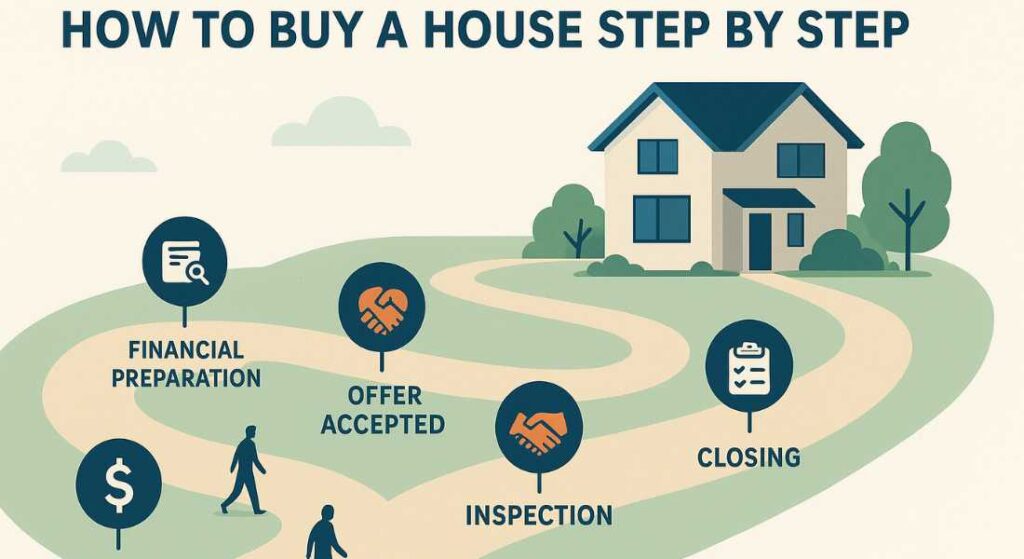
How to buy a house step by step is one of the most searched questions by aspiring homeowners who want to navigate the property market with confidence.
Purchasing a home represents one of the biggest financial decisions you will ever make and understanding each stage of the process helps you avoid costly mistakes while securing your dream property.
This comprehensive guide walks you through every phase of the home buying journey. Whether you are a first-time buyer or looking to upgrade you will learn the exact steps needed to move from house hunting to holding your keys.
We cover everything from financial preparation to post-offer procedures so you can approach this milestone with clarity and confidence.
Understanding Your Financial Position Before You Start
Before you begin viewing properties you need a clear picture of your financial health. This foundation determines what you can afford and how lenders will view your application.
Check your credit score first because this number significantly impacts your mortgage options. Scores above 700 typically unlock better interest rates while lower scores may require additional down payment or result in higher monthly costs.
Review your existing debts and monthly obligations. Lenders calculate your debt-to-income ratio to ensure you can manage mortgage payments alongside other financial responsibilities. Reducing outstanding balances before applying for a mortgage strengthens your position.
Start building your savings fund with discipline. Most buyers need money for the down payment plus closing costs and moving expenses. Having reserves also shows lenders you can handle unexpected homeownership costs.
Getting Pre-Approved for a Mortgage
Mortgage pre-approval gives you a realistic budget and shows sellers you are a serious buyer. This step involves submitting financial documents to a lender who then determines how much they will loan you.
Gather required documentation including recent pay stubs, tax returns from the past two years, bank statements and details about your assets and debts. Lenders review this information to assess your borrowing capacity.
The pre-approval letter states the loan amount you qualify for and remains valid for 60 to 90 days. This document becomes essential when making offers because sellers prefer buyers with verified financing over those without proof of funds.
Understanding the process of buying a house with a mortgage begins here. Your lender explains different loan types including conventional loans, FHA loans and VA loans if you qualify. Each option has distinct requirements and benefits that match different financial situations.
Assembling Your Home Buying Team
Successful home purchases involve multiple professionals working together. Building the right team protects your interests throughout the transaction.
A qualified real estate agent brings market knowledge and negotiation skills to your search. Choose someone experienced in your target neighborhoods who understands your needs and timeline. Good agents save you time by filtering properties and arranging viewings efficiently.
Your mortgage lender becomes a key partner beyond pre-approval. They guide you through application updates and coordinate timing for different funding stages. Maintaining open communication prevents delays during closing.
Consider hiring a real estate attorney in states where legal representation is customary. They review contracts, handle title searches and ensure all legal requirements are met before you sign final documents.
A home inspector provides critical insights about property condition. This independent professional identifies potential problems that affect value and safety. Their report influences your negotiation position and final decision.
Defining Your Home Search Criteria
Clarity about your needs versus wants streamlines the search process and prevents wasted time on unsuitable properties.
Location ranks as the most important factor for most buyers. Consider commute times, school districts, neighborhood safety and access to amenities. Future resale value often correlates strongly with location quality.
Determine must-have features like number of bedrooms, bathrooms and essential layout characteristics. Separate these from nice-to-have elements that you can compromise on if necessary.
A detailed buying a house checklist helps during property tours. Include structural elements, system conditions, storage space and outdoor areas. This systematic approach ensures you evaluate each home consistently.
Think about your timeline for moving and whether you need immediate occupancy or can wait for construction or renovations. This affects whether you pursue move-in ready homes or fixer-uppers.
Starting Your Property Search
With your team assembled and criteria defined you can begin actively searching for properties. This phase requires patience and strategic thinking.
Online listings provide the starting point for most buyers today. Browse multiple platforms to see what falls within your budget and matches your requirements. Save favorites and note how long properties stay on the market in your target areas.
Attend open houses to get a feel for different neighborhoods and property styles. These events let you view homes without appointment pressure while observing how other buyers react to features and pricing.
Work closely with your agent who can access properties before they hit public listings. This insider advantage sometimes lets you view and offer on homes ahead of broader competition.
Drive through neighborhoods at different times to understand traffic patterns, noise levels and community atmosphere. The same street can feel completely different on weekday mornings versus weekend afternoons.
Evaluating Properties with Your Checklist
What to look for when buying a house checklist should cover both visible features and underlying systems that affect long-term costs and comfort.
Structural Components
Examine the foundation for cracks or settling signs. Check walls and ceilings for water stains that indicate roof or plumbing problems. Look at window and door frames for proper operation and weather sealing.
Walk the entire property perimeter noting grading and drainage. Water should flow away from the foundation to prevent basement flooding and structural damage.
Major Systems
Ask about the age and condition of the heating and cooling systems. These expensive components typically need replacement every 15 to 20 years. Request maintenance records when available.
Inspect visible plumbing for leaks or corrosion. Old galvanized pipes may need updating. Test water pressure at multiple fixtures simultaneously.
Check the electrical panel for capacity and modern circuit breakers rather than outdated fuses. Insufficient electrical service requires costly upgrades especially in older homes.
Interior Spaces
Assess room sizes with furniture placement in mind. Measure spaces if you have specific pieces that must fit. Consider natural light and window placement for daily living comfort.
Open cabinets and closets to check storage capacity and condition. Look for signs of pest activity or moisture problems in hidden areas.
Test all appliances included in the sale to ensure proper function. Replacement costs add up quickly if multiple items need immediate attention.
Making a Competitive Offer
When you find the right property you need to act decisively while protecting your interests. The offer process involves multiple considerations beyond just price.
Your agent researches recent comparable sales to determine fair market value. This data supports your offer amount and helps avoid overpaying in competitive situations.
Include contingencies that protect you if problems arise. Common contingencies cover financing approval, satisfactory home inspection results and clear title verification. These clauses let you withdraw without penalty under specified conditions.
Earnest money deposits demonstrate serious intent to sellers. This good faith payment typically ranges from one to three percent of the purchase price and applies toward your down payment at closing.
Consider offer timing and presentation. In hot markets you might include an escalation clause or waive certain contingencies to stand out. However, balance competitiveness with sensible risk management.
What Happens After Your Offer Is Accepted
The process of buying a house after offer accepted involves several critical steps that must happen before you receive the keys. This period typically spans 30 to 45 days depending on your financing and inspection timelines.
Your lender begins formal underwriting by verifying all financial information and ordering a property appraisal. The appraisal ensures the home value supports the loan amount. If the appraisal comes in low you may need to renegotiate or increase your down payment.
Schedule the home inspection within days of offer acceptance. The inspector examines all accessible areas and systems, producing a detailed report of findings. Review this document carefully with your agent to identify serious issues versus minor maintenance items.
Based on inspection results you can request repairs, ask for credits toward closing costs or renegotiate the price. Sellers may agree to fix major problems or offer compensation rather than make repairs themselves. This negotiation phase requires clear communication and reasonable expectations.
Title company research begins immediately after offer acceptance. They search public records to confirm the seller has legal right to transfer ownership and identify any liens or encumbrances that must be resolved before closing.
Purchase homeowners insurance and provide proof to your lender. Coverage must begin on your closing date. Shop multiple providers to find the best combination of protection and cost.
Complete a final walkthrough within 24 hours of closing. Verify that agreed repairs were completed, the property remains in the same condition and all included items are still present.
Understanding Closing Costs and Final Expenses
Beyond your down payment you need funds for various closing costs that typically total two to five percent of the purchase price.
Lender fees include loan origination charges, application fees and points if you choose to buy down your interest rate. These costs appear on your Loan Estimate document provided within three days of application.
Third-party services generate additional expenses. Title insurance protects against ownership disputes. Escrow fees cover the neutral party handling funds transfer. Recording fees pay for official documentation with local government.
Prepaid items include property taxes and homeowners insurance. Lenders collect several months of these recurring costs upfront to establish escrow accounts that pay bills as they come due.
Your Closing Disclosure arrives at least three business days before your closing date. Review every line item and compare it to your earlier Loan Estimate. Question any significant changes or unexpected charges with your lender immediately.
Special Considerations for First-Time Buyers
Steps to buying a house for the first-time include exploring programs designed to help new buyers overcome common obstacles.
What are the requirements to buy a house for the first-time vary by program but generally include income limits, credit score minimums and completion of homebuyer education courses. These requirements ensure buyers understand their commitments.
First-time buyer programs often feature reduced down payment requirements. Some allow as little as three percent down while others provide grants or forgivable loans that cover part of the down payment.
Federal programs like FHA loans accept lower credit scores and require smaller down payments than conventional mortgages. VA loans serve eligible veterans and active military with zero down payment options.
State and local housing authorities offer additional assistance. Research programs in your area for down payment help, closing cost grants and favorable interest rates.
How to Buy a House with No Money Down
How to buy a house with no money down is possible through specific programs though each has eligibility requirements you must meet.
VA loans remain the most common true zero-down option for qualified veterans, active duty service members and eligible surviving spouses. These government-backed loans require no down payment and no mortgage insurance.
USDA loans serve rural and some suburban areas with zero down payment for qualified buyers. Income limits apply and properties must meet location requirements defined by the USDA.
Some state housing finance agencies offer zero-down programs for first-time buyers meeting income and credit criteria. Availability varies significantly by location.
Seller concessions can cover your closing costs allowing you to use saved funds entirely for other purposes. You negotiate these concessions during the offer process by asking sellers to credit you money at closing.
Understanding the Legal Process
What is the legal process of buying a house involves multiple documents and legal protections that formalize the transaction and protect all parties.
The purchase agreement outlines all terms including price, contingencies, closing date and included items. Both parties sign this legally binding contract that governs the transaction.
Title examination uncovers any legal claims against the property. The title company researches ownership history, outstanding liens, easements and restrictions. They issue title insurance that protects your ownership rights.
Disclosure requirements vary by state but sellers must typically reveal known defects and problems. Review all disclosure documents carefully before finalizing your purchase.
The closing or settlement brings all parties together to sign final documents and transfer ownership. You sign the mortgage note, deed of trust and numerous other forms. The seller signs the deed transferring title to you.
Recording happens after signing when the deed and mortgage documents are filed with the county recorder’s office. This public filing establishes your legal ownership.
Important Property Considerations
Understanding certain property rules and value factors helps you make smarter buying decisions.
What Is the 6 Month Rule for Property
The six month rule for property typically refers to the seasoning period that prevents quick flipping in certain loan programs. FHA and some conventional loans require sellers to own property for at least six months before selling it to prevent predatory flipping schemes.
This rule protects buyers from purchasing properties that were acquired cheaply, given cosmetic updates and quickly resold at inflated prices. Exceptions exist for inherited properties and sales through certain entities.
What Adds $100,000 to Your House
What adds $100,000 to your house value varies by market and property type but major additions deliver the biggest impact. Adding significant square footage through room additions, finished basements or second stories can reach this threshold in many markets.
Kitchen and bathroom renovations using high-end materials and expanding space sometimes approach this value increase particularly in luxury markets. Outdoor improvements like pools, extensive landscaping and outdoor kitchens contribute substantial value in warm climates.
Location improvements matter most. Properties in appreciating neighborhoods naturally gain value as the area develops even without physical changes.
What Is the Most Important Thing When Buying a House
What is the most important thing when buying a house comes down to location above all other factors. You can change almost everything about a property except where it sits.
Location affects daily quality of life through commute times, school access and neighborhood character. It drives long-term value appreciation and determines how easily you can sell when ready to move.
Buy the worst house in the best neighborhood rather than the best house in a declining area. This strategy maximizes your improvement potential and protects your investment.
Managing Your Timeline
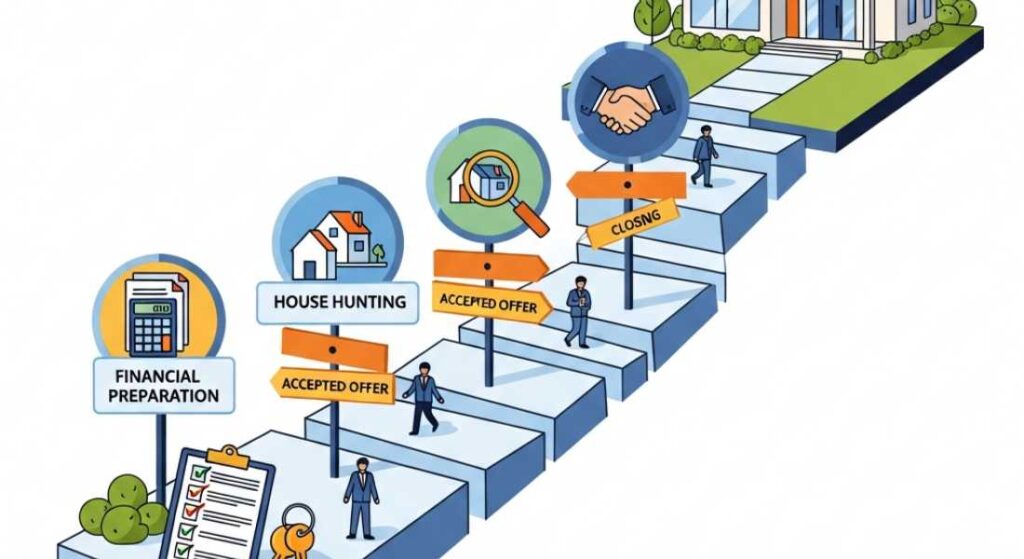
Steps to buying a house timeline typically spans two to six months from serious searching to closing day though circumstances vary widely.
Pre-Shopping Phase
Financial preparation can take several months if you need to improve credit scores or build savings. Starting early reduces stress and expands your options.
Getting pre-approved takes a few days to two weeks depending on how quickly you gather documents and your lender’s processing time.
Active Shopping Phase
House hunting duration varies dramatically based on market conditions and how specific your requirements are. Some buyers find their home within weeks while others search for months.
Once you make an offer the seller typically responds within 24 to 48 hours. Negotiations may continue for several days until you reach agreement or move on.
Contract to Closing Phase
The period when offer is accepted on house until closing averages 30 to 45 days. Cash purchases close faster while complex financing or inspection issues extend timelines.
Your lender needs time for underwriting and appraisal. Schedule your home inspection immediately after offer acceptance to avoid delays.
After You Own Your Home
My offer on a house was accepted now what becomes my house needs ongoing maintenance once you close. Ownership brings responsibilities beyond monthly mortgage payments.
Create a home maintenance schedule covering seasonal tasks and system servicing. Regular maintenance prevents small problems from becoming expensive emergencies.
Build an emergency fund specifically for home repairs. Financial experts recommend saving one percent of your home’s value annually for maintenance and unexpected issues.
Review your homeowners insurance annually to ensure adequate coverage as property values change. Consider umbrella liability policies for additional protection.
Keep all documentation related to your purchase, improvements and major repairs. These records prove valuable for future sales, insurance claims and tax purposes.
FAQs
How long does the home buying process take from start to finish?
The complete home buying process typically takes three to six months. This includes one to three months for house hunting and two to three months from offer acceptance to closing. Your timeline depends on market competition, financing complexity and inspection results.
Can I back out after my offer is accepted?
Yes, you can back out after your offer is accepted if you include proper contingencies in your contract. Common contingencies cover financing approval, satisfactory inspections and clear title. Without these protections you risk losing your earnest money deposit.
Do I need a real estate agent to buy a house?
While not legally required, a buyer’s agent provides valuable expertise at no direct cost to you since sellers typically pay both agent commissions. Agents handle negotiations, coordinate inspections and guide you through complex paperwork that protects your interests.
What credit score do I need to buy a house?
Minimum credit scores vary by loan type. Conventional loans typically require 620 or higher. FHA loans accept scores as low as 580 with 3.5 percent down or 500 with 10 percent down. Higher scores unlock better interest rates and more favorable terms.
How much should I save for a down payment?
Down payment requirements range from zero to 20 percent depending on your loan type. Conventional loans with less than 20 percent down require private mortgage insurance. First-time buyer programs often accept three to five percent down. Saving 20 percent eliminates mortgage insurance and may secure better rates.
What happens if the home appraisal comes in low?
When appraisal value falls below the purchase price you have several options. Negotiate a lower price with the seller, increase your down payment to cover the gap, or walk away if your contract includes an appraisal contingency. Sellers sometimes meet you halfway on price reductions.
Should I get a home inspection even for new construction?
Absolutely. New homes can have construction defects or code violations that need correction before you close. Independent inspectors catch problems builders might miss or overlook. This small investment protects you from expensive repairs shortly after moving in.
How much money should I have beyond the down payment?
Plan for closing costs of two to five percent of the purchase price plus moving expenses and immediate home needs. Maintain an emergency fund of three to six months of expenses. Having reserves shows financial stability to lenders and protects you after purchase.
Conclusion
Learning how to buy a house step by step empowers you to navigate this complex process with confidence. From initial financial preparation through closing day each phase builds toward successful homeownership.
Start by getting your finances in order and assembling a qualified team. Take time to understand what you need in a home and evaluate properties thoroughly using a comprehensive checklist. When you find the right property make a strong offer backed by research and protect yourself with appropriate contingencies.
The journey from offer acceptance to closing requires patience and attention to detail. Stay organized, communicate clearly with your team and address issues promptly as they arise.
Homeownership represents a significant achievement that provides stability and builds long-term wealth. Following these proven steps helps you make informed decisions and avoid common pitfalls. With proper preparation and the right guidance you will successfully navigate the path to owning your dream home.