
Home Buying Guide
Tenant Screening Process: Complete 2026 Guide for Landlords

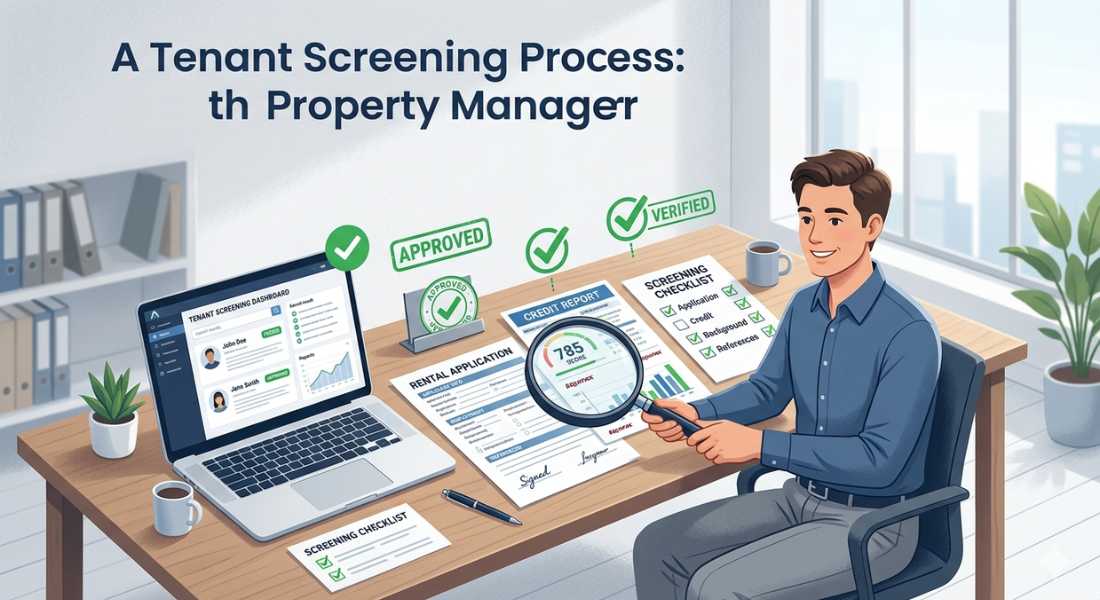
Introduction
Tenant screening process is the systematic evaluation landlords use to assess potential renters before signing a lease agreement. This critical procedure helps property owners minimize financial risks and find responsible tenants who will pay rent on time and respect the property.
Understanding how to properly screen applicants protects your investment and creates a foundation for successful landlord relationships. Whether you manage a single rental unit or multiple properties, implementing a thorough screening procedure saves time and prevents costly mistakes that could take months to resolve.
What Is the Meaning of Tenant Screening?
The tenant screening process meaning refers to the comprehensive evaluation system used to verify an applicant’s ability and willingness to be a reliable renter. This evaluation combines financial assessment with behavioral history to predict future performance as a tenant.
Property owners use this vetting process to gather objective information about rental applicants. The procedure typically includes verifying identity, checking credit history, confirming employment and income, contacting previous landlords, and conducting criminal background searches.
Why Landlords Need Proper Screening
Without adequate screening, property owners face increased risks of late payments, property damage, and legal disputes. A structured tenant selection process helps identify red flags early and ensures you choose renters who meet your rental criteria.
Many landlords learn this lesson the hard way after accepting an unqualified tenant. The eviction process can take months and cost thousands in legal fees and lost rental income.
Key Components of the Rental Screening Process
Credit Report Analysis
Reviewing credit reports reveals an applicant’s financial responsibility and payment patterns. Look for credit scores above 600, though standards vary by market. The report shows outstanding debts, payment history, and any collections or bankruptcies.
Low credit scores don’t automatically disqualify applicants but require additional scrutiny. Consider the context and ask applicants to explain negative items. Sometimes life events like medical emergencies or job loss create temporary financial setbacks.
Income Verification
Confirming stable income ensures tenants can afford monthly rent payments. Most landlords require renters to earn at least three times the monthly rent. Request recent pay stubs, employment letters, or tax returns for self-employed applicants.
Contact employers directly to verify job stability and income amounts. This step prevents applicants from submitting fraudulent documentation. Independent contractors should provide bank statements showing consistent deposits.
Rental History Check
Previous landlord references provide invaluable insights into tenant behavior. Ask former property managers about payment punctuality, property condition, noise complaints, and lease violations.
Speak with at least two previous landlords when possible. The most recent landlord might give overly positive references just to remove a problem tenant. Going back further often reveals more honest assessments.
Criminal Background Search
Background checks help ensure community safety and property protection. Most tenant screening companies include national and local criminal database searches. Focus on recent convictions and patterns of behavior rather than minor infractions from years ago.
Fair housing laws regulate how you can use criminal history in tenant decisions. Avoid blanket policies that reject all applicants with any criminal record. Evaluate cases individually and consider the nature and timing of offenses.
How Long Does Tenant Screening Take?
The timeline for completing a thorough tenant vetting process typically ranges from 24 to 72 hours. Simple applications with responsive references may clear within one business day. Complex situations requiring additional verification can extend to a week.
Several factors influence processing speed. Background check companies usually deliver reports within 24 hours. Delays often occur when contacting previous landlords or verifying employment. Some employers take several days to respond to verification requests.
Furnished Finder tenant screening process and other platform-specific procedures may have different timelines. Digital platforms often provide faster turnaround times through automated systems and integrated databases.
Factors That Affect Screening Duration
Incomplete applications slow down the entire process. Missing information requires follow-up communication with applicants. Provide clear instructions about required documentation upfront to avoid delays.
Weekend applications typically take longer since many verification contacts are unavailable. Submit applications early in the week for faster processing. Multiple applicants competing for the same unit may also extend decision timelines.
Best Tenant Screening Services and Companies
Several reputable tenant screening companies offer comprehensive reports at competitive prices. TransUnion SmartMove, RentPrep, and MyRental provide detailed background checks, credit reports, and eviction searches. These services cost between $25 and $75 per applicant.
Choosing the right screening service depends on your specific needs and budget. Some landlords prefer all-inclusive packages while others select individual report components. National providers offer consistency across multiple properties in different states.
Colorado Portable Screening Report
Colorado law allows tenants to obtain a portable tenant screening report they can share with multiple landlords. This portable screening report Colorado option reduces costs for renters applying to several properties. The reports remain valid for 30 days from the issue date.
Landlords benefit from faster application processing when applicants provide their own reports. However, you should verify the report is current and comes from a reputable source. You can still charge applicants a reasonable screening fee even if they provide their own reports.
Creating an Effective Tenant Screening Checklist
A standardized tenant screening checklist ensures consistency and legal compliance across all applications.
Your checklist should include completed rental application, photo identification, proof of income, authorization for background and credit checks, previous landlord contacts, and employment verification.
Downloadable tenant screening checklist PDF templates are available online but customize them to match your specific tenant requirements. Include any property-specific criteria such as pet policies or parking requirements.
Essential Screening Criteria
Establish clear apartment screening criteria before reviewing applications. Define minimum credit score requirements, income thresholds, acceptable rental history standards, and background check parameters. Document these standards and apply them consistently to avoid discrimination claims.
Your criteria should comply with Fair Housing Act regulations. Avoid criteria that disproportionately exclude protected classes. Base all requirements on legitimate business needs related to financial capability and responsible tenancy.
How to Do a Tenant Screening: Step-by-Step

Pre-Screening Phase
Start with a tenant pre screening form PDF that applicants complete before full application submission. This brief questionnaire covers basic qualifying factors like income range, rental history, and pet ownership. Pre-screening saves time by eliminating unqualified applicants early.
Many landlords discuss tenant requirements during initial property showings. Clear communication about expectations helps applicants self-select whether to proceed with a full application.
Application Review
Examine completed applications for completeness and consistency. Look for gaps in employment or rental history that need explanation. Verify that all sections are properly filled out with legible information.
Red flags include multiple recent address changes, inconsistent employment dates, or reluctance to provide previous landlord information. These issues don’t automatically disqualify applicants but warrant deeper investigation.
Running Background and Credit Checks
Most tenant background check processes use third-party services that compile information from multiple databases. You need written applicant authorization before running checks. Include authorization language in your rental application.
A comprehensive tenant credit and background check covers credit reports from major bureaus, national criminal databases, and eviction records. Review results carefully and give applicants opportunity to dispute inaccurate information.
Reference Verification
Contact previous landlords using prepared questions about payment history, property maintenance, and lease compliance. Ask if they would rent to the applicant again. This simple question often reveals underlying concerns they might not explicitly state.
Employment verification confirms current job status and income. Some employers only confirm dates of employment due to company policy. Request written verification on company letterhead when possible.
Making the Final Decision
Compare all applicants against your established screening criteria. The tenant selection process should be objective and based on documented qualifications. Keep detailed notes about why you accepted or rejected each applicant.
Notify all applicants of your decision. Rejected applicants must receive adverse action notices explaining the reasons if credit reports influenced your decision. This legal requirement protects both parties and demonstrates your professional approach.
Understanding Tenant Screening Reports
What Information Appears on Reports
A complete tenant screening report includes personal identifying information, credit history with scores from major bureaus, prior eviction records, criminal background results, and sometimes rental payment history. Reports compile data from court records, credit bureaus, and public databases.
You can request a tenant screening report on myself to see what landlords will find. This self-check helps identify errors before applying for rentals. Several services offer free tenant screening report on myself options though paid versions provide more comprehensive information.
Report Accuracy and Disputes
Screening reports sometimes contain errors that unfairly impact applicants. Common mistakes include mixed files where information from someone with a similar name appears on the wrong report. Applicants have rights to dispute inaccurate information.
Always give applicants copies of reports used in rental decisions. This transparency allows them to identify and correct errors. Fair Credit Reporting Act regulations require landlords to follow specific procedures when using consumer reports.
Tenant Screening Cost Considerations
Typical tenant screening procedure expenses range from $30 to $100 per applicant depending on report comprehensiveness. Basic credit checks cost less than full packages including criminal background and eviction searches. Landlords can charge applicants reasonable fees to cover screening costs.
State and local laws regulate maximum screening fees landlords can charge. Some jurisdictions require landlords to provide receipts showing actual costs. Never profit from application fees as this could violate consumer protection laws.
Balancing Cost and Thoroughness
Budget-conscious landlords sometimes skip important screening steps to save money. This short-term saving often leads to long-term losses from problem tenants. Invest in comprehensive screening for valuable properties or long-term leases.
For month-to-month rentals or lower-value properties, basic credit and criminal checks might suffice. Adjust your screening depth based on risk levels and property values.
Special Considerations and Best Practices

Reddit Community Insights
The tenant screening process Reddit discussions reveal common landlord concerns and tenant perspectives. Many threads discuss how renters can improve their applications and what disqualifies candidates. These conversations provide valuable real-world insights beyond official guidelines.
Landlords share experiences about screening mistakes and successful strategies. However, verify any advice against your local laws since regulations vary significantly by jurisdiction.
International Variations
The tenant screening process Philippines and other international markets operate under different legal frameworks than United States procedures. Philippine landlords often rely more heavily on personal references and employment verification than credit reports.
Understanding regional differences matters for landlords with international properties or those screening foreign applicants. Adapt your procedures while maintaining consistent standards.
Using Screening Services Effectively
The best tenant screening website options provide user-friendly interfaces, fast report delivery, and responsive customer support. Compare features like mobile access, bulk pricing for multiple properties, and integration with property management software.
Some services offer tenant screening services that include applicant portals where renters submit information directly. These systems streamline data collection and reduce paperwork for both parties.
Legal Compliance in Screening
Fair Housing laws prohibit discrimination based on race, color, national origin, religion, sex, familial status, or disability. Your screening criteria must apply equally to all applicants. Document your process and keep records showing consistent application of standards.
Some states provide additional protections beyond federal law. California, for example, limits how landlords can consider criminal history. Research your local regulations or consult with a real estate attorney.
Privacy and Data Protection
Handle applicant information securely and dispose of it properly. Screening reports contain sensitive personal and financial data. Store documents in locked files or encrypted digital systems. Shred paper applications when no longer needed.
Limit access to screening information to people directly involved in tenant selection. Unauthorized disclosure could violate privacy laws and expose you to liability.
How to Screen Renters: Advanced Strategies
Social Media and Online Research
While not part of formal background checks, online research provides additional context about applicants. Review public social media profiles for concerning behavior or inconsistencies with application information. Avoid basing decisions solely on protected characteristics visible in photos.
Use online searches cautiously and consistently. Don’t investigate some applicants’ social media while ignoring others. Document what you found and how it influenced your decision if challenged.
Professional References
Beyond previous landlords and employers, professional references from accountants, attorneys, or business associates indicate stability. These contacts often provide candid assessments of character and reliability.
Weight professional references appropriately in your overall evaluation. A glowing reference from a business partner matters less than actual rental payment history from previous landlords.
FAQs
What is the meaning of tenant screening?
Tenant screening is the process landlords use to evaluate rental applicants through background checks, credit reports, employment verification, and reference checks.
This systematic review helps property owners assess whether potential tenants will pay rent reliably and maintain the property responsibly. The tenant screening process protects landlord investments by identifying qualified renters.
How long does the process to verify tenants take?
Most rental screening processes take between one and three business days. Simple applications with readily available references may complete within 24 hours. More complex situations requiring additional documentation or hard-to-reach references can extend to five to seven days.
How long does apartment screening take depends on application completeness and reference responsiveness.
Which is the best tenant screening service?
The best tenant screening services include TransUnion SmartMove, RentPrep, MyRental, and Apartments.com. Each offers different features and pricing structures. TransUnion provides comprehensive reports with applicant-paid options.
RentPrep specializes in detailed eviction searches. Choose services based on your property type, budget, and desired report components rather than a single “best” option.
Can I get a free background check for renters?
Free rental history report options exist but typically provide limited information compared to paid services. Some free tenant background check services only search public records without comprehensive credit data.
My rental history report free versions may miss important details. Invest in paid screening for valuable properties since thorough reports cost $30 to $75 and prevent expensive tenant problems.
What is a portable tenant screening report?
A portable screening report allows renters to obtain their own background and credit checks to submit with multiple rental applications. These reports reduce costs for applicants applying to several properties.
What is portable tenant screening report validity depends on state law but typically remains current for 30 days. Landlords can still charge reasonable screening fees even when applicants provide portable reports.
How much does tenant screening cost?
Tenant screening cost ranges from $25 to $100 per applicant depending on report comprehensiveness. Basic credit checks start around $25 while full packages with criminal background, eviction history, and rental payment records cost $75 to $100.
How much is a portable tenant screening report varies by provider but typically costs $35 to $50 since applicants pay directly.
What appears on a rental background check?
A rental background check includes credit history with scores, criminal records from court databases, eviction filings, identity verification, and sometimes previous addresses. How long does rental background check take to process is usually 24 to 48 hours. Comprehensive tenant report screening reveals payment patterns, outstanding debts, and legal issues that might affect tenancy.
How do I screen a potential tenant effectively?
To screen a potential tenant, collect a completed application with authorization for background checks, verify income through pay stubs or tax returns, run credit and criminal background checks, contact at least two previous landlords, and confirm current employment.
Apply consistent criteria to all applicants and document your decision-making process to ensure fair housing compliance.
Conclusion
The tenant screening process protects your rental property investment through systematic evaluation of potential renters. By implementing comprehensive screening procedures including credit checks, background searches, income verification, and reference contacts, you significantly reduce risks of payment problems and property damage.
Success in tenant selection requires consistency, legal compliance, and thorough documentation. Establish clear screening criteria before reviewing applications and apply them equally to all candidates. While screening takes time and costs money upfront, these investments prevent far more expensive problems down the road.
Remember that screening is just the beginning of the landlord relationship. Even well-screened tenants need clear communication, fair treatment, and properly maintained properties to become long-term reliable renters.


Introduction
Best places to buy cheap land in Texas under $10k are scattered across the Lone Star State, offering incredible opportunities for first-time buyers, investors, and dreamers alike.
Texas stands out as one of the few states where you can still purchase property for under five figures, making land ownership accessible to almost anyone with determination and basic financial planning.
This comprehensive guide walks you through the most affordable counties, reveals insider tips for finding deals, and helps you avoid common pitfalls when purchasing budget-friendly acreage.
Whether you’re looking to build a weekend retreat, invest for future appreciation, or simply own a piece of America, Texas offers remarkable options that won’t break the bank.
Why Texas Remains a Budget Land Buyer’s Paradise
The sheer size of Texas creates unique advantages for bargain hunters. With 268,596 square miles of diverse terrain, the state offers everything from desert landscapes to rolling hills and pine forests at remarkably low prices.sRural depopulation in certain counties has created a buyer’s market where motivated sellers price their parcels aggressively. Many areas feature cheap land for sale in Texas because locals are moving to urban centers, leaving behind thousands of affordable lots.
Unlike coastal states where every inch carries a premium price tag, Texas maintains vast stretches of undeveloped territory. This abundance keeps prices competitive, especially in counties far from major metropolitan areas.
Top Counties for Finding Affordable Acreage
Hudspeth County
Located in far West Texas, Hudspeth County consistently ranks among the cheapest options statewide. Raw land for sale in Texas often appears here with price tags between $500 and $5,000 per acre depending on location and access.
The county borders New Mexico and offers stunning desert vistas with minimal building restrictions. Water access remains the primary challenge, but for cash buyers seeking ultra-affordable entry points, few places compete.
Culberson County
Just north of Hudspeth, Culberson County provides similar pricing with slightly better infrastructure in certain areas. You’ll find land for sale in Texas by owner listings frequently, as many properties pass through family estates.
The terrain varies from flat desert to mountainous regions near the Guadalupe Mountains. Properties here typically range from $1,000 to $8,000 for parcels between one and ten acres.
Terrell County
This sparsely populated county offers some of the best value propositions in the state. Abandoned land for sale in Texas appears regularly here as ranching families downsize operations or relocate.
With fewer than 1,000 residents spread across 2,358 square miles, Terrell County provides extreme privacy and rock-bottom prices. Expect to find multi-acre parcels well under the $10,000 threshold.
Presidio County
Bordering Mexico and featuring dramatic landscapes, Presidio County attracts buyers seeking authentic desert experiences. Raw land for sale in texas here often includes mineral rights, adding potential long-term value.
The county seat, Marfa, has gained cultural significance, but rural areas remain extremely affordable. Properties within 30 miles of town may cost slightly more, while remote parcels sell for pennies per square foot.
Hidden Opportunities in East Texas
Polk County
Moving eastward, Polk County offers forested land at competitive prices. Unlike the desert west, this region provides trees, rainfall, and easier access to utilities.
Land for sale texas by owner frequently appears in online classifieds as families sell inherited timber land. Prices range from $3,000 to $10,000 for smaller cleared or wooded lots suitable for camping or tiny home placement.
Jasper County
Deep in the Piney Woods, Jasper County combines affordability with natural beauty. The area receives adequate rainfall, supports wildlife, and offers a completely different Texas experience than the arid west.
Raw land in texas covered with pine and hardwood trees can be found for $5,000 to $9,000 per acre. These properties often include road frontage and easier utility connections than remote desert parcels.
Newton County
As one of Texas’s most heavily forested counties, Newton offers surprisingly affordable opportunities. Many listings qualify as cheap land for sale in texas under $1,000 per acre when purchased in larger blocks.
The humid climate supports diverse vegetation, and properties often include creek access or pond sites. This region suits buyers wanting traditional wooded homestead settings rather than open range landscapes.
South Texas Bargains Worth Exploring
Starr County
Along the Rio Grande, Starr County features some of the lowest land prices in the state. Economic factors and distance from major cities create opportunities for determined buyers.
Properties listed as land for sale in texas under $5,000 appear regularly, often including multiple acres. The subtropical climate allows year-round outdoor activities, though summer temperatures soar.
Jim Hogg County
This brush country region offers vast open spaces at minimal cost. Abandoned land for sale in texas by owner becomes available as ranching operations consolidate or families liquidate holdings.
Parcels here typically feature native brush, occasional trees, and wildlife including deer and javelina. Buyers can secure 5 to 10 acres for under $10,000 with patient searching.
Brooks County
North of the border region, Brooks County provides similar pricing with slightly better infrastructure. Land for sale in texas under $20000 often includes well access or existing structures.
The area supports cattle ranching and hunting leases, potentially providing income opportunities. Properties suitable for recreational use or long-term investment sell at highly competitive rates.
Finding Deals Near Population Centers
Bastrop County Outskirts
While central areas command premium prices, the eastern portions of Bastrop County still offer affordable options. Buyers seeking land for sale under $10,000 near me by owner near houston tx should explore this region.
Properties 50 to 70 miles from Houston frequently fall within budget, especially smaller parcels or those requiring clearing. The area provides easier weekend access than far West Texas while maintaining affordability.
Walker County
Home to Huntsville and Sam Houston National Forest, Walker County features pockets of budget-friendly land. Cheap abandoned land for sale in texas appears when timber companies or estates liquidate smaller holdings.
Wooded lots between two and five acres sometimes surface under $10,000, offering proximity to amenities while maintaining rural character. These properties suit weekend cabin construction or future retirement plans.
Liberty County
East of Houston, Liberty County balances accessibility with value. While not as cheap as far-flung counties, it offers reasonable prices for buyers wanting shorter drives.
Parcels requiring clearing or located on unpaved roads often meet the under $10,000 criteria. The area’s proximity to employment centers makes it viable for those planning gradual development.
Auction and Estate Sale Strategies
Tax foreclosure auctions represent prime opportunities for securing rock-bottom prices. Counties throughout Texas conduct regular sales of properties with delinquent taxes, often accepting bids starting at tax debt amounts.
Estate sales frequently yield unexpected bargains as heirs liquidate inherited parcels they cannot maintain. Monitoring probate court listings reveals cheap old houses for sale in texas under $10,000 and vacant land offerings.
Online auction platforms now feature Texas properties regularly, allowing remote bidding. However, thorough research remains essential as these parcels often lack access or clear title.
Navigating Owner Financing Options
Many sellers of budget properties offer owner financing, eliminating bank requirements and credit score obstacles. This arrangement allows buyers to negotiate directly, often with minimal down payment.
Terms vary widely but typically include higher interest rates than traditional mortgages. The trade-off provides accessibility for buyers who cannot secure conventional loans but can manage monthly payments.
Always conduct title searches and survey work even with owner financing. Unscrupulous sellers occasionally misrepresent boundaries or legal status, creating expensive problems later.
Essential Due Diligence Steps

Water Rights and Access
Understanding water availability proves critical in arid regions. Many cheap parcels lack well permits or groundwater access, requiring expensive hauling or rainwater collection systems.
Research county groundwater district rules before purchasing. Some areas restrict new well drilling or impose pumping limits that affect property usability.
Road Access and Easements
Landlocked parcels sell cheaply for good reason. Verify legal road access through recorded easements or public right-of-way before committing.
Properties requiring easement negotiation with neighbors may seem affordable initially but create ongoing complications. Clear deeded access protects your investment and future resale value.
Zoning and Restrictions
Rural counties often maintain minimal zoning, but deed restrictions or subdivision rules may limit use. Review all recorded documents to understand building requirements and prohibited activities.
Some areas restrict mobile homes, require minimum square footage, or prohibit commercial activities. These limitations affect property value and your intended use.
Seasonal Buying Advantages
Late fall through winter typically sees reduced competition and motivated sellers. Properties listed during holidays often come from sellers needing quick closings.
Spring brings more inventory as tax refund recipients and seasonal workers list properties. However, increased buyer competition may drive prices upward during peak months.
Multi-year drought or economic downturns create exceptional buying opportunities. Monitoring market conditions helps identify ideal timing for maximum value.
Financing Your Under $10k Purchase
Cash purchases eliminate complications and strengthen negotiating positions. Sellers often reduce prices for buyers who can close quickly without loan contingencies.
Personal loans from credit unions or online lenders provide alternatives when cash isn’t available. Interest rates exceed mortgage rates but approval processes move faster.
Some buyers use credit cards for purchases under $5,000, earning rewards points while financing the acquisition. This strategy works only with disciplined repayment plans to avoid excessive interest.
Building and Development Considerations
Budget land purchases often mean primitive conditions requiring significant investment for habitability. Calculate improvement costs before buying to ensure total investment remains within budget.
Off-grid living becomes necessary in many remote locations. Solar power, composting toilets, and rainwater collection systems add thousands to initial land costs.
Some buyers purchase cheap land for sale beaumont, tx under $10000 near established towns, accepting smaller parcels in exchange for utility access. This trade-off may prove wiser than isolated acreage requiring complete infrastructure development.
Investment Potential and Risks
Raw land generally appreciates slower than improved properties but requires minimal maintenance and no tenant management. Patient investors benefit from eventual development reaching previously remote areas.
Population growth predictions suggest certain rural counties may experience increased demand within 10 to 20 years. Early purchases position investors to capture this appreciation.
However, some ultra-cheap parcels remain cheap indefinitely due to insurmountable challenges. Extremely remote locations, severe water scarcity, or adverse environmental conditions limit future value growth.
Best practices for First-Time Land Buyers
Start with smaller purchases to learn the process before committing larger amounts. A $3,000 lot provides valuable education without catastrophic financial risk.
Join online forums and local land buyer groups to learn from experienced investors. Community knowledge reveals pitfalls and opportunities that research alone might miss.
Visit properties multiple times under different conditions before buying. That scenic desert lot may flood during rare rains or become inaccessible after snowfall.
Understanding True Ownership Costs
Property taxes on raw land remain minimal in most rural Texas counties, often under $100 annually for parcels under 10 acres. However, rates increase if land becomes taxable for development.
Liability insurance adds another $100 to $300 yearly, protecting against injuries to trespassers or hunters. Many budget buyers skip this coverage, accepting the risk to minimize expenses.
Periodic visits for maintenance, fence repair, or trash removal create ongoing costs that accumulate over years. Calculate these expenses when determining total ownership investment.
When to Walk Away from a Deal
Properties priced suspiciously low often hide serious problems. Unresolved estate issues, tax liens, or environmental contamination explain steep discounts.
If a seller pressures immediate decisions or resists providing documentation, proceed with extreme caution. Legitimate transactions allow time for proper investigation.
Trust your instincts when something feels wrong. Abundant opportunities exist throughout Texas, making it unnecessary to compromise on due diligence for any single property.
Legal Protection and Documentation
Always use licensed title companies for closings, even on small transactions. The few hundred dollars in fees prevent ownership disputes that cost thousands to resolve.
Record your deed immediately after closing. Unrecorded deeds create vulnerability to fraud or claims by other parties.
Consider legal consultation before unusual transactions such as buying at auction or purchasing tax-delinquent property. Attorney fees prove worthwhile when protecting significant investments.
FAQs
What’s the cheapest place to buy land in Texas?
Hudspeth and Culberson counties in far West Texas consistently offer the lowest prices statewide. You’ll find best places to buy cheap land in Texas under $10k throughout these desert regions, with some parcels selling for under $1,000 per acre. However, these areas present challenges including extreme remoteness, limited water access, and minimal infrastructure.
How much does 1 acre of land cost in TX?
Prices vary dramatically by location and features. Rural West Texas averages $500 to $2,000 per acre, while East Texas timber land runs $3,000 to $8,000 per acre. Areas near cities or with utilities command $10,000 to $50,000 per acre. The statewide average meaningless given this extreme variation across regions.
Where is 1 acre of land the cheapest?
Beyond Texas, states like New Mexico, Arizona, Nevada, and rural areas of Arkansas offer comparable or lower per-acre prices. However, Texas provides better infrastructure, property rights protection, and economic opportunities than most alternatives. When considering total value rather than just initial cost, Texas often emerges as the superior choice for budget land buyers.
Where is the cheapest but nicest place to live in Texas?
Defining “nicest” depends on personal preferences, but several affordable regions offer quality living. The Piney Woods region including Jasper and Newton counties combines low costs with natural beauty and adequate rainfall. Best places to buy cheap land in Texas under $10k in this area provide livable conditions without the harsh climate extremes of West Texas desert regions.
Can I build a house on cheap Texas land?
Building rights depend on county regulations and deed restrictions rather than purchase price. Most rural counties allow residential construction with proper permitting. However, budget land often lacks utilities, requiring expensive off-grid systems or utility line extensions that quickly exceed the land cost itself.
How do I find owner-financed land deals?
Search online classifieds using terms like “owner financing” or “seller financing” combined with your target county name. Many cheap abandoned land for sale in texas by owner listings include flexible payment terms. Local newspapers in rural counties also advertise these opportunities, often reaching motivated sellers before properties hit major websites.
Should I buy sight unseen to grab a great deal?
Never purchase land without physical inspection regardless of price. Photos and descriptions frequently misrepresent actual conditions, access, or neighboring uses. The money saved buying a $2,000 parcel sight-unseen evaporates when you discover it’s landlocked, floods regularly, or sits next to an industrial facility.
What are the biggest mistakes budget land buyers make?
Skipping title searches tops the list, leading to ownership disputes or undisclosed liens. Failing to verify access, water availability, and buildability follow closely. Many buyers also underestimate ongoing costs and improvement expenses, creating financial strain that forces resale at a loss.
Conclusion
Discovering the best places to buy cheap land in Texas under $10k opens doors to ownership that many assume closed in today’s expensive real estate market. From the stark beauty of West Texas deserts to the lush forests of East Texas pine country, opportunities abound for informed buyers willing to do proper research.
Success requires balancing affordability with practical usability. The cheapest parcel isn’t always the best value when factoring in access, water, and development costs. Patient buyers who combine thorough due diligence with realistic expectations find exceptional properties that serve recreational, investment, or eventual homesteading goals.
Texas continues welcoming new landowners with open spaces and reasonable prices unavailable in most other states. Your piece of the Lone Star State awaits, offering freedom, privacy, and the satisfaction of property ownership at a price point that remains achievable for determined buyers.

Introduction
Pipedrive for real estate agents is a visual sales management tool designed to help property professionals organize leads, track deals, and close transactions more efficiently.
If you have been juggling multiple clients, struggling to follow up with potential buyers, or losing track of property listings, this comprehensive guide will show you exactly how this platform can revolutionize your real estate business.
The real estate industry demands constant communication, precise organization, and the ability to manage dozens of relationships simultaneously. Traditional spreadsheets and scattered notes simply cannot keep pace with the demands of modern property sales.
This article explores how specialized customer relationship management systems can address these challenges and help you build a more profitable real estate practice.
Understanding CRM Solutions in Real Estate
Customer relationship management platforms have become essential tools for property professionals who want to stay competitive.
These systems help organize client information, automate follow-ups, and provide clear visibility into your entire sales process from initial contact through closing.
Many agents wonder what software do real estate agents use to manage their daily operations. The answer varies based on business size, property type, and personal preferences.
However, the most successful professionals typically rely on dedicated systems that combine contact management with deal tracking and communication tools.
Why Traditional Methods Fall Short
Paper-based systems and basic spreadsheets worked when real estate was a slower-paced industry.
Today is competitive market requires instant access to client histories, automated reminders for follow-ups, and the ability to manage relationships across multiple communication channels simultaneously.
Without proper systems in place, important opportunities slip through the cracks. A potential buyer who expressed interest three months ago might never receive a follow-up call. A seller ready to list their property could choose a competitor simply because they responded faster.
The Visual Pipeline Approach to Real Estate Sales
Real estate pipeline management transforms how you view your business. Instead of seeing a chaotic list of contacts and properties, you gain a clear visual representation of where each deal stands in your sales process.
Think of your sales process as a series of stages. A lead enters at “Initial Contact” and progresses through stages like “Property Viewing Scheduled,” “Offer Submitted,” “Negotiation,” and finally “Closed Deal.”
Visual systems let you drag and drop deals between these stages, giving you an instant overview of your entire business.
Organizing Your Real Estate Workflow
The platform allows you to customize stages that match your specific business model. Commercial real estate professionals might need different stages than residential agents. Someone focusing on luxury properties will have a different sales cycle than an agent working with first-time homebuyers.
This flexibility ensures the system adapts to your process rather than forcing you to change how you work. You maintain control while gaining the organizational benefits of a structured approach.
Core Features That Benefit Property Professionals
Contact management forms the foundation of any effective system. Every interaction with a client, every email exchanged, every phone call made gets recorded in one centralized location. This creates a comprehensive history that proves invaluable during long sales cycles.
Activity reminders ensure you never miss a follow-up. The system can alert you when it is time to check in with a client, send property listings, or schedule a viewing.
These automated prompts eliminate the mental burden of remembering every task while ensuring consistent communication.
Deal Tracking and Forecasting
Understanding where your revenue will come from next month or next quarter requires visibility into your active deals. The platform displays all opportunities in progress, their estimated values, and their likelihood of closing based on which stage they occupy.
This forecasting capability helps you make informed business decisions. You can identify when you need to generate more leads, which deals require additional attention, and whether you are on track to meet your income goals.
Mobile Access for On-the-Go Professionals
Real estate happens outside the office. You show properties, attend open houses, meet clients at coffee shops, and work from various locations throughout your day. The pipedrive mobile app ensures you have complete access to your business information wherever you are.
From your phone, you can add new contacts immediately after meeting someone at a networking event. You can update deal stages while driving between appointments.
You can review client notes before walking into a listing presentation. This mobility keeps your database current and your follow-up timely.
Integration Capabilities That Extend Functionality
No single platform handles every business need perfectly. That is why pipedrive integrations with other tools create a more powerful overall system.
You might connect your email platform for automatic communication logging, link your calendar for seamless scheduling, or integrate marketing tools for lead generation campaigns.
The pipedrive marketplace offers hundreds of pre-built connections with popular business applications. These integrations eliminate duplicate data entry and ensure information flows smoothly between the various tools you use daily.
Email and Communication Integration
When your email system connects with your relationship management platform, every message automatically attaches to the relevant contact record. You can review your entire communication history with a client without searching through old emails. This proves especially valuable when deals stretch over months or even years.
Comparing Options for Commercial vs Residential Agents

The best CRM for commercial real estate brokers often differs from what residential agents need. Commercial transactions typically involve longer sales cycles, multiple decision-makers, and more complex deal structures. Systems serving this market need robust features for tracking multiple stakeholders and managing extended negotiations.
Residential agents might prioritize quick data entry, mobile functionality, and integration with popular real estate listing platforms. Their faster transaction pace demands efficiency and automation over complex workflow management.
Understanding Your Specific Needs
Before selecting any platform, evaluate your business model. Do real estate agents work for buyer or seller in your practice or do you represent both? How many active deals do you typically manage simultaneously? What percentage of your business comes from repeat clients versus new relationships?
Answering these questions helps you identify which features matter most. A luxury property specialist needs different capabilities than someone working with rental properties or commercial leases.
Getting Started With Implementation
Learning any new system requires an investment of time and effort. However, resources like pipedrive tutorial leads help you understand the platform quickly. These guides walk you through basic setup, contact management, deal creation, and reporting features.
Start by importing your existing contacts. Most platforms accept spreadsheet files, making the transition from basic systems straightforward.
Then customize your pipeline stages to match your sales process. Finally, begin adding deals and using the system for daily activities.
Training Your Team
If you work with assistants or a team of agents, everyone needs proper training. Consistent usage across your organization ensures data accuracy and maximizes the system is value. Schedule dedicated training sessions and create simple reference guides for common tasks.
Encourage questions and provide ongoing support as team members adapt to new workflows. The initial learning curve pays dividends through improved organization and communication.
Pricing Considerations for Your Budget
Understanding how much does pipedrive cost helps you budget appropriately. The platform offers several pipedrive pricing plans designed for different business sizes and feature needs.
Basic plans provide core functionality suitable for individual agents or small teams, while advanced tiers add features like automation, enhanced reporting, and additional customization options.
The pipedrive cost per month typically ranges from affordable entry-level pricing to premium packages for larger organizations.
When evaluating pipeline crm pricing, consider the return on investment. If the system helps you close even one additional deal per year, it likely pays for itself many times over.
Comparing Value Across Platforms
Pipeline crm reviews from other real estate professionals provide valuable insights into real-world usage.
Look for feedback from agents with similar business models. Someone working in commercial real estate crm might have different experiences than a residential specialist.
Consider factors beyond monthly fees. Implementation time, ease of use, customer support quality, and integration options all contribute to overall value. The cheapest option rarely proves most cost-effective if it lacks essential features or requires excessive time to manage.
Advanced Features for Growing Businesses
As your real estate practice expands, you shall discover the value of automation features. These capabilities handle repetitive tasks automatically, freeing your time for revenue-generating activities.
You can create automated email sequences for new leads, trigger follow-up tasks when deals reach specific stages, or generate reports on a regular schedule.
The pipedrive crm system includes workflow automation that adapts to your processes. You define the triggers and actions, then the system executes them consistently. This eliminates human error and ensures every lead receives appropriate attention.
Reporting and Analytics
Data-driven decisions separate successful agents from those who struggle. Comprehensive reporting shows which marketing channels generate the best leads, how long deals typically take to close, and where opportunities get stuck in your pipeline. These insights reveal exactly where to focus improvement efforts.
Custom reports let you track the metrics that matter most to your business. Monitor conversion rates between pipeline stages, analyze average deal values, or measure team performance. This visibility transforms guesswork into strategic planning.
Breaking Into Real Estate Marketing
For those exploring how to get into real estate marketing, understanding the tools professionals use provides a significant advantage. Marketing and sales systems work together to attract leads and convert them into clients.
Your relationship management platform becomes the central hub where marketing efforts translate into tracked opportunities.
Successful marketing campaigns generate leads that flow directly into your sales pipeline. Integration between marketing platforms and your relationship management system ensures no lead gets lost.
You can measure which campaigns produce the highest-quality prospects and allocate your marketing budget accordingly.
Maximizing Your Investment
Simply purchasing access to a platform does not guarantee results. You must use it consistently and leverage its features effectively.
Block time each day for data entry and follow-up tasks. Make system usage part of your daily routine rather than an occasional activity.
Regular database maintenance keeps information accurate and useful. Update contact details when they change, archive closed deals, and remove duplicate records. Clean data enables better reporting and more effective communication.
Continuous Improvement
Review your processes quarterly. Are your pipeline stages still accurate? Do your automated workflows need adjustment? Are you using all the features you are paying for? Regular evaluation ensures the system continues serving your evolving needs.
Attend training webinars, explore new integrations, and experiment with advanced features. Most platforms continuously add capabilities, and staying current helps you maintain competitive advantages.
Choosing the Right Solution for Your Practice

The best crm for real estate agents depends on your specific situation. Individual agents have different needs than large brokerages. Someone specializing in luxury properties needs different features than an agent focused on affordable housing.
Test multiple options before committing. Most platforms offer free trials that let you explore features and evaluate fit. Use this trial period to input real data and perform actual tasks. This hands-on experience reveals much more than marketing materials or feature lists.
Questions to Ask During Evaluation
Can you customize the system to match your sales process? Does it offer the integrations you need? Is the mobile experience robust enough for field work?
How responsive is customer support? What do current users in the real estate industry say about their experience?
Document your requirements before starting the evaluation process. This focused approach prevents distraction by flashy features you shall never use while ensuring you find a solution that addresses your actual needs.
Industry-Specific Considerations
Real estate transactions involve unique challenges. Compliance requirements, commission structures, multiple parties, and long sales cycles all demand specialized functionality. Generic business tools rarely address these needs adequately.
Look for features designed specifically for property professionals. Territory management, open house tracking, listing integration, and commission calculation tools demonstrate a platforms commitment to serving real estate businesses.
Understanding Commission Tracking
Knowing your average hourly rate for real estate agent work helps you evaluate efficiency. If you are spending hours on administrative tasks that automation could handle, you are effectively reducing your hourly earnings.
Systems that streamline operations let you focus on high-value activities like client relationships and deal negotiation.
Commission tracking features show your earnings across all active deals. You can forecast income based on expected closing dates and deal probabilities. This financial visibility supports better business planning and personal budgeting.
Building Long-Term Client Relationships
Real estate success depends heavily on repeat business and referrals. A robust crm for real estate agents helps you maintain relationships long after deals close.
Birthday reminders, home anniversary notifications, and periodic check-ins keep you top of mind when past clients need services again or know someone who does.
Segment your database based on relationship type. Past clients, active prospects, referral sources, and professional contacts all deserve different communication approaches. Targeted outreach proves more effective than generic mass emails.
Nurturing Your Sphere of Influence
Your database represents your most valuable business asset. Every contact is a potential client, referral source, or professional connection. Consistent, valuable communication builds trust and positions you as the obvious choice when real estate needs arise.
Use your system to track personal details that make interactions more meaningful. Note client preferences, family information, and career details. Referencing these details during conversations demonstrates genuine interest and strengthens relationships.
Conclusion
Selecting and implementing the right relationship management system represents a significant decision for your real estate business. The investment of time and money pays dividends through better organization, improved client communication, and increased deal flow.
Whether you choose pipedrive for real estate agents or another platform, the key is consistent usage and continuous optimization.
Start by clearly defining your needs, test available options thoroughly, and commit to making your chosen system central to your daily operations. Your future self will thank you for the organized database, automated follow-ups, and clear visibility into your business pipeline.
The real estate professionals who embrace these tools position themselves for sustainable growth and long-term success in an increasingly competitive market.
FAQs
Is Pipedrive good for real estate agents?
Yes, pipedrive for realtors offers excellent visual pipeline management that matches how property transactions progress through stages.
The platform provides strong customization options, solid mobile access, and extensive integration capabilities that benefit real estate professionals. Many agents appreciate its intuitive interface and reasonable pricing structure compared to industry-specific alternatives.
What is the best CRM for real estate agents?
The best real estate crm depends on your specific needs, budget, and business model. Popular choices among property professionals include specialized real estate platforms as well as flexible business tools that can be customized for real estate workflows.
Evaluate options based on features like contact management, mobile access, integration capabilities, and pricing that aligns with your practice size.
What CRM do estate agents use?
Estate agents use various crm real estate platforms ranging from industry-specific solutions built exclusively for property professionals to adaptable business systems configured for real estate workflows.
The choice often depends on whether they work in residential or commercial sectors, team size, and budget considerations. Many successful agents prioritize visual pipeline management and strong mobile functionality when selecting their crm software for real estate agents.
Which CRM does Keller Williams use?
Keller Williams provides its agents with a proprietary platform called Command, though agents can also use other systems that integrate with their brokerage tools. Many Keller Williams agents supplement or replace the company system with alternatives that better match their personal workflow preferences. The flexibility to choose tools that fit individual business models helps agents maximize productivity.
How much does a quality real estate CRM typically cost?
Real estate crm software pricing varies widely based on features and user count. Basic plans often start around affordable monthly fees suitable for individual agents, while advanced packages with automation, team features, and enhanced reporting can cost significantly more.
When evaluating costs, consider the pipedrive plans or similar offerings in context of potential return on investment through improved organization and increased closings.
Can I access my CRM from my phone while showing properties?
Yes, modern platforms including the pipedrive app provide full mobile functionality. You can add contacts, update deal stages, log activities, and review client information from your smartphone or tablet.
This mobility proves essential for real estate professionals who spend significant time away from their desks meeting clients and showing properties.
What programs do real estate agents use beyond CRM systems?
Real estate professionals typically use multiple specialized tools alongside their relationship management platform. Common programs include listing services, transaction management software, digital signature platforms, marketing automation tools, and accounting systems.
The pipedrive extension and similar integration capabilities help connect these various programs into a cohesive technology ecosystem.

Introduction
Real estate vs stock market which is better is one of the most debated questions among investors seeking to build long-term wealth. Both investment paths offer unique advantages and challenges that can significantly impact your financial future.
The stock market provides liquidity and easier diversification while real estate offers tangible assets and potential tax benefits. Understanding the fundamental differences between these two investment vehicles will help you make informed decisions aligned with your financial goals and risk tolerance.
This comprehensive guide examines historical performance, practical considerations, and expert perspectives to help you determine which investment strategy works best for your situation.
Understanding the Core Differences Between Real Estate and Stocks
Real estate investing involves purchasing physical property such as residential homes, commercial buildings, or land. These tangible assets generate returns through rental income and property appreciation over time. Investors gain direct control over their investments and can make improvements to increase value.
Stock market investing means buying shares of publicly traded companies through exchanges. Your returns come from dividend payments and stock price appreciation.
This approach offers instant diversification across multiple industries and geographic regions without the responsibilities of property management.
The liquidity factor creates a major distinction between these investment types. Stocks can be sold within seconds during market hours while real estate transactions typically take weeks or months to complete. This difference becomes crucial during emergencies when you need quick access to cash.
Historical Returns: How Real Estate and Stocks Actually Perform
Stocks vs real estate historical returns reveal interesting patterns over the past century. The S&P 500 has delivered average annual returns of approximately 10% since its inception in 1926.
This impressive performance includes dividends reinvested and accounts for market volatility across different economic cycles.
Real estate investments have historically returned between 8% and 12% annually when combining rental income with property appreciation.
However, these figures vary significantly based on location, property type, and market timing. Urban areas typically show stronger appreciation compared to rural markets.
The real estate vs S&P 500 chart demonstrates that both investments have created substantial wealth over long time periods.
During the 2000s, real estate outperformed stocks in many markets before the 2008 housing crisis. Since 2009, the stock market has generally delivered superior returns with less effort required from investors.
Geographic location dramatically impacts real estate performance. Properties in growing cities like Austin or Nashville have appreciated faster than the national average while some markets have remained stagnant. Stock market returns are less dependent on your physical location.
Investment Capital Requirements and Accessibility
Investing 100k in real estate typically requires careful planning and strategic decisions. This amount could serve as a down payment on a rental property worth $400,000 to $500,000 with traditional financing.
Alternatively, you could purchase a property outright in lower-cost markets or invest in real estate investment trusts.
The best way to invest 100k in real estate depends on your experience level and time commitment.
First-time investors might consider house hacking by living in one unit of a multi-family property while renting others. Experienced investors could leverage the capital across multiple properties to maximize returns.
Stock market investing offers much lower barriers to entry. You can start with as little as $100 through fractional shares and gradually build your portfolio. The invest 100k in stocks or real estate decision often comes down to whether you prefer hands-on management or passive investment approaches.
Real estate demands significant upfront costs beyond the purchase price. Closing costs, inspections, repairs, and furnishing rental properties add 5% to 10% to your initial investment. Stocks involve minimal transaction fees, especially with modern commission-free trading platforms.
Passive Income Potential and Cash Flow Analysis
Rental properties generate monthly cash flow when managed effectively. After covering mortgage payments, property taxes, insurance, and maintenance costs, successful rental properties provide steady passive income. The rental property calculator helps investors project these numbers before purchasing.
Dividend-paying stocks also produce passive income without the management responsibilities of real estate. Blue-chip companies and dividend aristocrats have increased payouts for decades, providing growing income streams. These dividends can be automatically reinvested to compound your wealth faster.
The real estate investment calculator reveals that achieving positive cash flow requires careful property selection and financial planning. Properties in expensive markets often show negative cash flow initially, relying entirely on appreciation for returns. This strategy carries higher risk compared to cash-flowing properties.
Stock dividends offer more flexibility than rental income. You can choose to receive cash payments or reinvest automatically without manual effort. Rental properties require active decisions about maintenance spending, tenant screening, and rent pricing that impact your actual income.
Leverage and Financing Advantages
Real estate provides unique opportunities to use other people’s money through mortgage financing. Banks will loan you 75% to 80% of a property’s value, allowing you to control a $400,000 asset with just $80,000 down. This leverage amplifies both gains and losses significantly.
Margin trading exists in the stock market but carries much higher risks than real estate leverage. Brokerages can issue margin calls during market downturns, forcing you to sell positions at the worst possible time. Real estate financing provides more stability and predictable payment schedules.
Low interest rates make real estate leverage particularly attractive. A 30-year fixed mortgage at 6% to 7% allows you to lock in borrowing costs while rental income and property values typically increase over time. This arbitrage between borrowing costs and returns enhances your investment performance.
The leverage effect explains why real estate can produce outsized returns relative to your actual capital invested. A property appreciating 5% annually delivers a 25% return on your down payment when using 80% financing. Stocks require your full capital investment unless you use riskier margin strategies.
Tax Benefits and Implications
Real estate investors enjoy several powerful tax advantages that stocks cannot match. Depreciation deductions allow you to reduce taxable income even while the property appreciates in value. This accounting treatment creates significant tax savings for rental property owners in higher income brackets.
The 1031 exchange enables real estate investors to defer capital gains taxes indefinitely by rolling proceeds into new properties. This strategy has helped countless investors build substantial portfolios without tax consequences. Stock investors must pay capital gains taxes when selling appreciated positions.
Mortgage interest deductions reduce the effective cost of real estate financing. Property taxes, insurance premiums, and operating expenses all provide additional deductions that lower your tax burden. These benefits improve your after-tax returns compared to stated gross returns.
Stock investors benefit from preferential long-term capital gains rates when holding positions for over one year. Qualified dividends also receive favorable tax treatment. However, these advantages are less powerful than the combined tax benefits available through real estate investing.
Risk Factors and Market Volatility
Stock market volatility can test investor nerves during downturns. The market occasionally drops 20% to 50% during recessions and bear markets. Investors who panic and sell during these periods lock in losses and miss subsequent recoveries. Emotional discipline becomes crucial for stock market success.
Real estate values generally fluctuate less dramatically than stock prices. Properties rarely lose half their value overnight, providing psychological comfort to many investors. However, this stability comes with the tradeoff of reduced liquidity when you need to access your capital.
Geographic concentration creates specific risks in real estate investing. Local economic downturns, natural disasters, or regulatory changes can devastate property values in specific areas. Diversifying across multiple markets requires substantial capital that many individual investors lack.
The stock market enables easy diversification across thousands of companies, industries, and countries. Index funds provide instant exposure to the entire market, reducing company-specific risks. This diversification offers protection that single-property real estate investments cannot match.
Time Commitment and Active Management
Real estate investing demands significant time and effort unless you hire property managers. Tenant screening, maintenance coordination, rent collection, and legal compliance require ongoing attention. Many investors underestimate these responsibilities before purchasing their first rental property.
Property management companies handle daily operations for 8% to 12% of monthly rent. These fees reduce your net returns but free up your time for other activities.
The decision between self-management and professional management impacts both your profits and quality of life.
Stock investing requires minimal ongoing time commitment. After researching and selecting investments, you can hold quality stocks for years with minimal monitoring. Rebalancing your portfolio quarterly takes just a few hours annually for most investors.
The hands-off nature of stock investing appeals to busy professionals and those preferring passive wealth building. You can invest successfully while maintaining a full-time career without the 3am phone calls about burst pipes that rental property owners occasionally face.
Liquidity and Exit Strategies
Selling stocks takes seconds through online brokerage platforms. You receive cash in your account within two business days after the sale. This liquidity provides flexibility to rebalance your portfolio or access funds for emergencies without penalties.
Real estate transactions typically require 30 to 90 days from listing to closing. You must find qualified buyers, negotiate terms, complete inspections, and navigate financing contingencies. During market downturns, properties might sit unsold for months while you continue paying mortgages and expenses.
The illiquid nature of real estate creates both challenges and benefits. You cannot impulsively sell during temporary market panics, which protects you from emotional decisions. However, this same illiquidity becomes problematic when you genuinely need to access your investment capital quickly.
Partial sales are impossible with individual properties. You cannot sell one bedroom of your rental house if you need cash. Stocks allow you to sell any portion of your holdings instantly, providing precise control over how much capital you access.
Market Cycles and Economic Sensitivity
Both real estate and stocks move through cyclical patterns tied to economic conditions. Understanding these cycles helps investors time major decisions and avoid buying at market peaks. However, perfectly timing markets consistently remains impossible even for professional investors.
The housing market typically lags stock market movements by several months. Stocks often begin recovering before real estate values bottom during recessions. This delay provides opportunities for strategic investors who monitor both markets carefully.
Interest rate changes impact these investments differently. Rising rates typically hurt both stocks and real estate initially, but real estate investors with fixed-rate mortgages gain advantages as rental rates increase. Stock valuations compress when discount rates rise, affecting growth stocks particularly hard.
Economic recessions affect real estate and stocks through different mechanisms. Job losses reduce tenant demand and increase vacancies in rental properties. Corporate earnings decline during recessions, pressuring stock prices downward. Diversifying across both asset classes provides some protection during various economic scenarios.
Building Wealth Through Combined Strategies
Many successful investors hold both real estate and stocks rather than choosing exclusively between them. This balanced approach captures the unique benefits of each investment type while reducing overall portfolio risk.
The real estate vs stock market comparison becomes less about picking a winner and more about optimal allocation.
Your age and life stage influence ideal investment allocations. Younger investors with stable incomes might emphasize stocks for growth and liquidity. Investors approaching retirement might increase real estate exposure for income stability and tax benefits during their highest earning years.
Dollar-cost averaging works effectively for stock market investing. Regular monthly investments smooth out market volatility and remove emotional timing decisions. Real estate requires larger capital commitments that make dollar-cost averaging more challenging to implement consistently.
The compound effect of reinvesting dividends and rental income accelerates wealth building in both asset classes. Investors who patiently reinvest returns over decades typically achieve financial independence regardless of which investment path they emphasize.
Expert Perspectives on Real Estate and Stock Investing
Warren Buffett has famously favored stocks throughout his career while acknowledging real estate’s merits.
He emphasizes that productive assets generating earnings without requiring ongoing capital investment offer superior long-term returns. His approach focuses on buying excellent businesses at reasonable prices and holding them indefinitely.
Buffett also noted that real estate can work wonderfully for investors willing to manage properties actively and select locations carefully. He purchased a farm in Nebraska decades ago that has appreciated steadily while providing annual crop income. His pragmatic view recognizes that both investments can succeed with proper execution.
The 7% rule in real estate suggests that annual property expenses typically equal 7% of the property value. This guideline helps investors estimate cash flow and determine whether rental income will cover all costs. Properties where annual rent exceeds 7% of value usually generate positive cash flow.
Research indicates that roughly 90% of millionaires have built wealth through real estate ownership according to various surveys. However, this statistic includes primary residences alongside investment properties, making it less clear than often claimed. Many millionaires also accumulated substantial stock portfolios simultaneously.
Common Misconceptions and Reality Checks
The belief that buying a house is a bad investment stems from valid concerns about opportunity costs and hidden expenses. Primary residences consume capital that could generate higher returns elsewhere while creating ongoing costs for maintenance, taxes, and insurance that renters avoid.
However, homeownership provides stability, forced savings through mortgage payments, and potential appreciation. The real estate is a bad investment argument often overlooks the non-financial benefits of controlling your living space and building equity. Context matters significantly when evaluating whether homeownership makes sense.
Some investors claim real estate always beats stocks or vice versa based on selective time periods or exceptional personal results. The real estate or stock market which is better question lacks a universal answer because individual circumstances vary dramatically. Your skills, interests, and financial situation determine which path suits you best.
Geographic and timing luck play larger roles in investment success than many people admit. Buying property in San Francisco in 1980 or Amazon stock in 2001 produced extraordinary returns that had little to do with investor skill. Acknowledging luck’s role prevents overconfidence in future investment decisions.
Making Your Investment Decision
Start by honestly assessing your strengths and interests. If you enjoy managing projects, negotiating with contractors, and building tenant relationships, real estate might align with your personality. Investors preferring hands-off approaches should emphasize stocks and index funds.
Your available capital influences practical investment options. Smaller amounts work better in the stock market initially while you build knowledge and resources. Once you accumulate substantial savings, real estate becomes more accessible through financing.
Consider your income stability and emergency fund status before choosing investment paths. Real estate demands financial reserves for unexpected repairs and vacancy periods. Stock investors need discipline to avoid selling during market downturns, which requires emotional and financial stability.
The is it better to invest in stocks or real estate question ultimately depends on your unique situation. Many investors find success by starting with stocks for liquidity and learning, then gradually adding real estate as their knowledge and capital grow. This sequential approach reduces risk while capturing benefits from both asset classes.
FAQs
What creates 90% of millionaires?
Real estate ownership contributes significantly to millionaire status for many wealthy individuals, but this figure includes primary residences and not just investment properties.
Most millionaires actually build wealth through multiple sources including business ownership, stock investments, and high-income professional careers.
Focusing exclusively on real estate while ignoring other wealth-building strategies may limit your financial potential. Successful millionaires typically diversify across several asset types rather than concentrating entirely in one investment category.
How much money do I need to invest to make $3,000 a month?
Generating $3,000 monthly requires approximately $900,000 invested in dividend stocks yielding 4% annually or rental properties producing similar returns.
Stock market investments targeting this income would need careful selection of high-quality dividend payers or index funds. Real estate investors might need two or three rental properties with strong cash flow to reach this monthly income target.
The exact amount varies based on your investment returns, chosen strategy, and whether you reinvest some proceeds for growth. Both stocks and rental properties can achieve this goal with sufficient capital and proper management.
What did Warren Buffett say about real estate?
Warren Buffett acknowledged that real estate can generate excellent returns for investors willing to actively manage properties and choose locations wisely. He personally owns farmland that has appreciated while producing annual crop income, demonstrating his belief in productive real estate assets.
However, Buffett emphasizes that most investors achieve better results through low-cost stock index funds rather than attempting to beat the market through property selection. His overall investment philosophy favors businesses that compound earnings without requiring constant capital reinvestment, which gives stocks an edge for passive investors.
What is the 7% rule in real estate?
The 7% rule estimates that annual property operating expenses typically equal about 7% of the total property value. This guideline helps investors quickly assess whether rental income will cover all costs including maintenance, vacancies, property management, and capital improvements.
Properties where annual rent exceeds 7% of purchase price generally produce positive cash flow after accounting for these expenses. Using this rule during initial property screening saves time by eliminating deals unlikely to generate meaningful income.
The actual expense ratio varies by property age, location, and condition, so detailed analysis remains essential before purchasing.
Is real estate or stocks better for beginners?
Stocks generally work better for beginner investors because they require less capital, offer instant diversification, and demand minimal time commitment. New investors can start with small amounts through index funds while learning about markets without risking entire properties.
The stock market provides liquidity that lets beginners correct mistakes quickly if needed. Real estate requires substantial upfront knowledge about property evaluation, financing, and management that takes years to develop.
Starting with stocks allows you to build capital and experience before potentially adding real estate to your investment portfolio later.
Can you lose money in both real estate and stocks?
Both investment types carry genuine risks of financial loss despite their long-term wealth-building potential. Stock prices can drop 50% or more during severe market crashes, and individual companies occasionally go bankrupt.
Real estate values declined significantly during the 2008 financial crisis, leaving many investors underwater on mortgages. Leverage amplifies losses in both asset classes when markets turn negative.
Successful investing requires accepting these risks while managing them through diversification, research, and appropriate position sizing relative to your total wealth.
How do taxes affect real estate vs stock returns?
Real estate provides superior tax advantages through depreciation deductions, 1031 exchanges, and mortgage interest write-offs that significantly boost after-tax returns. Stock investors benefit from lower long-term capital gains rates and qualified dividend treatment but lack the powerful tax-deferral strategies available in real estate.
High-income investors often favor real estate partly because these tax benefits become more valuable in higher tax brackets. However, the complexity of real estate tax rules requires professional accounting help that adds costs. Your specific tax situation determines which investment offers better after-tax performance.
Should I pay off my mortgage or invest in stocks?
This decision depends on your mortgage interest rate compared to expected investment returns. If your mortgage rate exceeds 7%, paying it down provides guaranteed returns higher than average stock market performance.
Lower mortgage rates around 3% to 5% make investing in stocks more attractive because historical market returns exceed your borrowing costs. Consider your risk tolerance and need for liquidity when making this choice.
Some investors prefer the psychological peace of owning their home outright regardless of mathematical optimization. A balanced approach might involve making regular investments while making occasional extra mortgage payments.
How much do you need to start investing in real estate?
Starting capital requirements for real estate investing range from $15,000 to $50,000 for your first rental property using conventional financing. This amount covers the down payment, closing costs, repairs, and emergency reserves needed before collecting rent.
Real estate investment trusts allow you to invest in property markets with as little as $500 through publicly traded shares. House hacking reduces capital requirements by living in one unit while renting others, using owner-occupied financing with lower down payments.
Creative strategies like wholesaling or partnerships can reduce initial capital needs but require specialized knowledge and higher risk tolerance.
What performs better during inflation?
Real estate typically performs well during inflationary periods because property values and rental rates increase with general price levels. Fixed-rate mortgages become more advantageous as you repay loans with inflated dollars while collecting higher rents.
Stocks show mixed performance during inflation, with some sectors like energy and materials benefiting while growth stocks often struggle. Real assets including property and commodities generally protect purchasing power better than bonds during high inflation.
Diversifying between real estate and inflation-resistant stocks provides balanced protection against rising prices while maintaining growth potential.
Conclusion
The real estate vs stock market debate lacks a definitive winner because both investment paths have created tremendous wealth for disciplined investors. Stocks offer unmatched liquidity, easy diversification, and minimal time requirements that appeal to busy professionals and passive investors. Real estate provides tangible assets, powerful tax benefits, and leverage opportunities that can accelerate wealth building for hands-on investors.
Your personal circumstances, skills, and preferences should guide your investment choices more than generic advice claiming one approach always beats the other.
Consider starting with the investment type that matches your current knowledge and capital, then potentially expanding into the other as your resources grow. Many successful investors ultimately hold both stocks and real estate, capturing the unique advantages each asset class provides.
The most important decision is simply getting started with either investment rather than endlessly researching which is theoretically superior.
Time in the market beats timing the market for both real estate and stocks. Focus on consistent contributions, continuous learning, and patient long-term thinking regardless of which path you choose for building your financial future.


Creative Social Media Template Ideas for Kids Family Travel: Build Fun, Memorable, and Engaging Travel Stories

Buy Rental Property Mexico Tsalach Real Estate: Your Complete Investment Guide

Real Estate Investment Management Software Demo: Your Complete 2026 Guide

Real Estate Investment Strategies That Work in 2026

First Time Home Buyer Guide: Everything You Need to Know Before Purchasing Your Dream Home

Best Real Estate Investment Opportunities: Your 2026 Guide to Profitable Properties
-
Real Estate Tips2 months ago
Real Estate Investment Strategies That Work in 2026
-
Property Investment2 months ago
First Time Home Buyer Guide: Everything You Need to Know Before Purchasing Your Dream Home
-
Real Estate Tips2 months ago
Best Real Estate Investment Opportunities: Your 2026 Guide to Profitable Properties
-
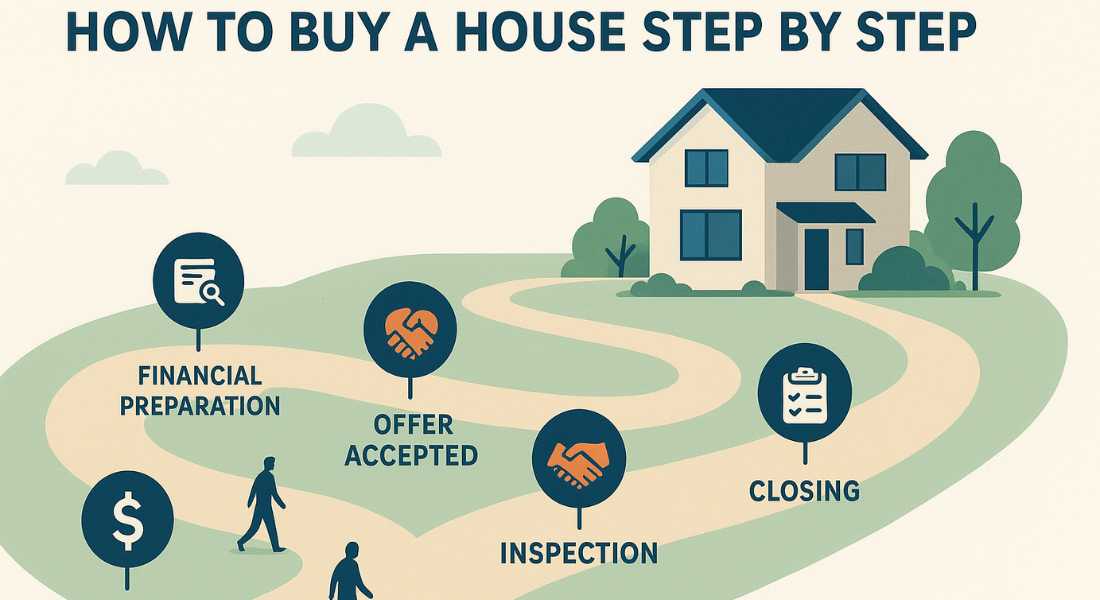 Property Investment2 months ago
How to Buy a House Step by Step: Your Complete Guide to Home Ownership
-
 Real Estate Tips2 months ago
14 Hour Real Estate Continuing Education Florida
-
 Property Investment2 months ago
Best Places to Buy Property: Top Markets for Smart Investment in 2025
-
 Property Investment2 months ago
Home Loan Approval Process: Your Complete Guide to Getting Approved Fast
-
 Property Investment2 months ago
Documents Required for Buying Property: Complete 2026 Guide